

Getting more likes on TikTok starts when people finish the video and tap
30 likes and 5 shares is a stronger signal than 100 likes and 0 shares, and 21-34 seconds is the engagement sweet spot.
Table of contents
100 likes and 0 shares is a weaker signal than 30 likes and 5 shares.
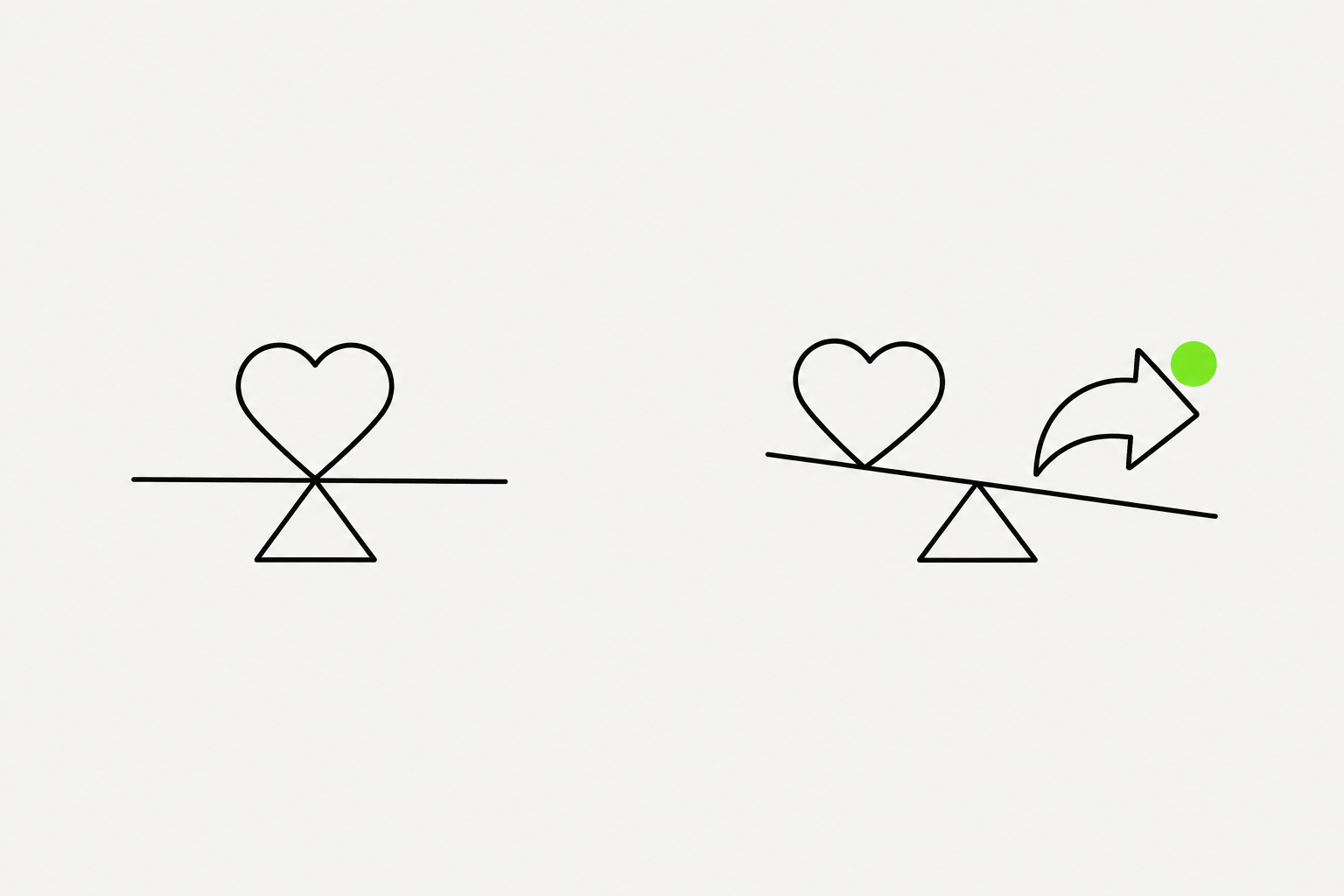
A video that gets 30 likes and 5 shares is the stronger of the two signals. The like count alone does not tell you the video is moving.
Five shares next to 30 likes outweigh a hundred likes with none.
- 100 likes and 0 shares.
- 30 likes and 5 shares.
- The share is the heavier signal.
What you can try now: Count shares beside likes before you call a video a hit.
21-34 seconds is the engagement sweet spot for organic reach in 2026.
A video watched start-to-finish by most viewers gets recommended aggressively, and the more people who finish, the more who tap like.
A video watched start to finish gets recommended aggressively.
- 21 seconds.
- Up to 34 seconds.
- Finish rate, then the like.
What you can try now: Cut the next video into the 21 to 34 second range.
Three to five targeted tags is the sweet spot in 2026.
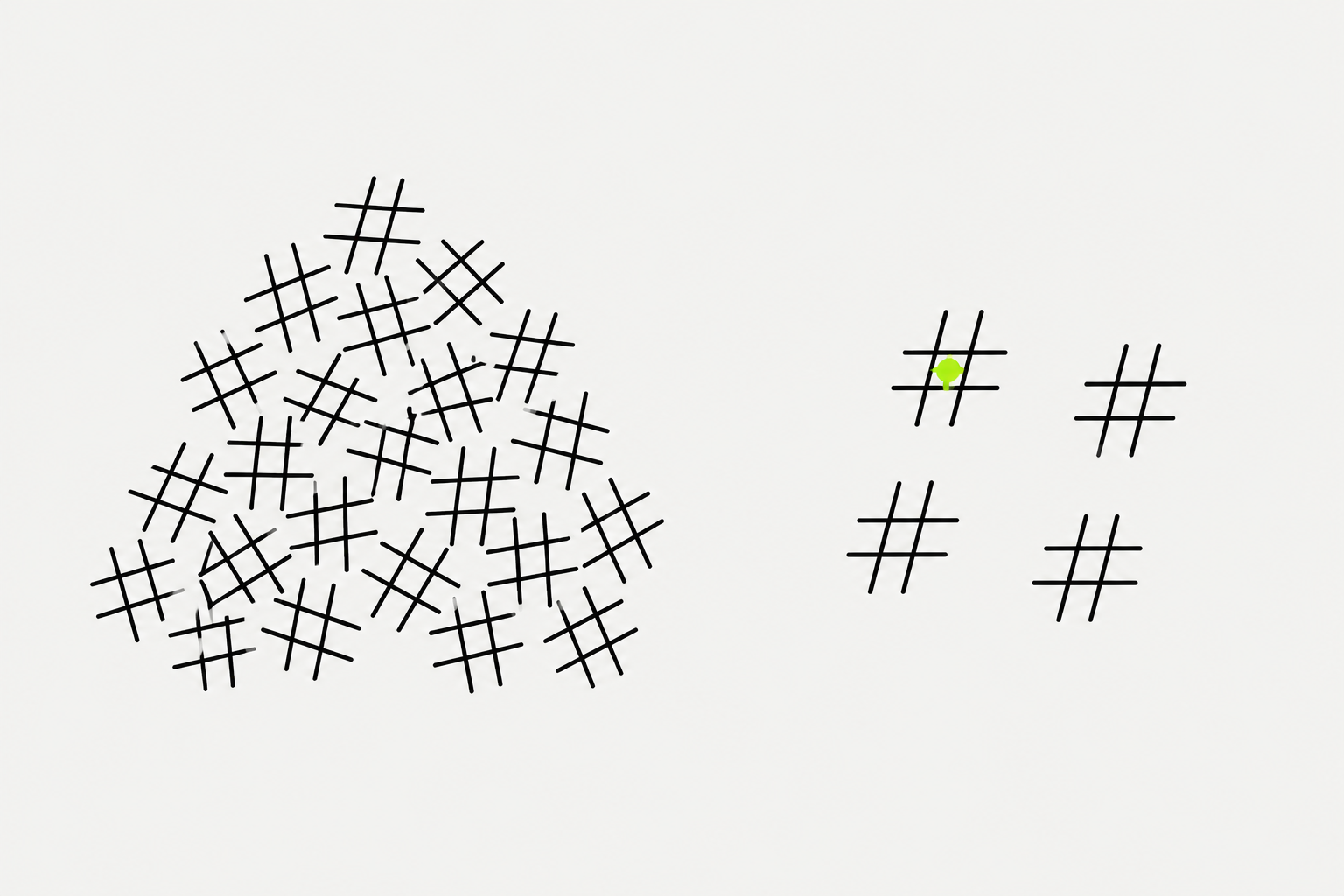
Three to five targeted tags is the sweet spot. The caption is prime real estate for sparking the comments and likes that boost reach.
The caption is prime real estate for the like and the comment.
- Three targeted tags.
- Five targeted tags.
- The caption, used for the like and the comment.
What you can try now: Keep the tags to three, four, or five that name the video.
The optimal posting frequency for brand and creator accounts is 4-7 posts a week.
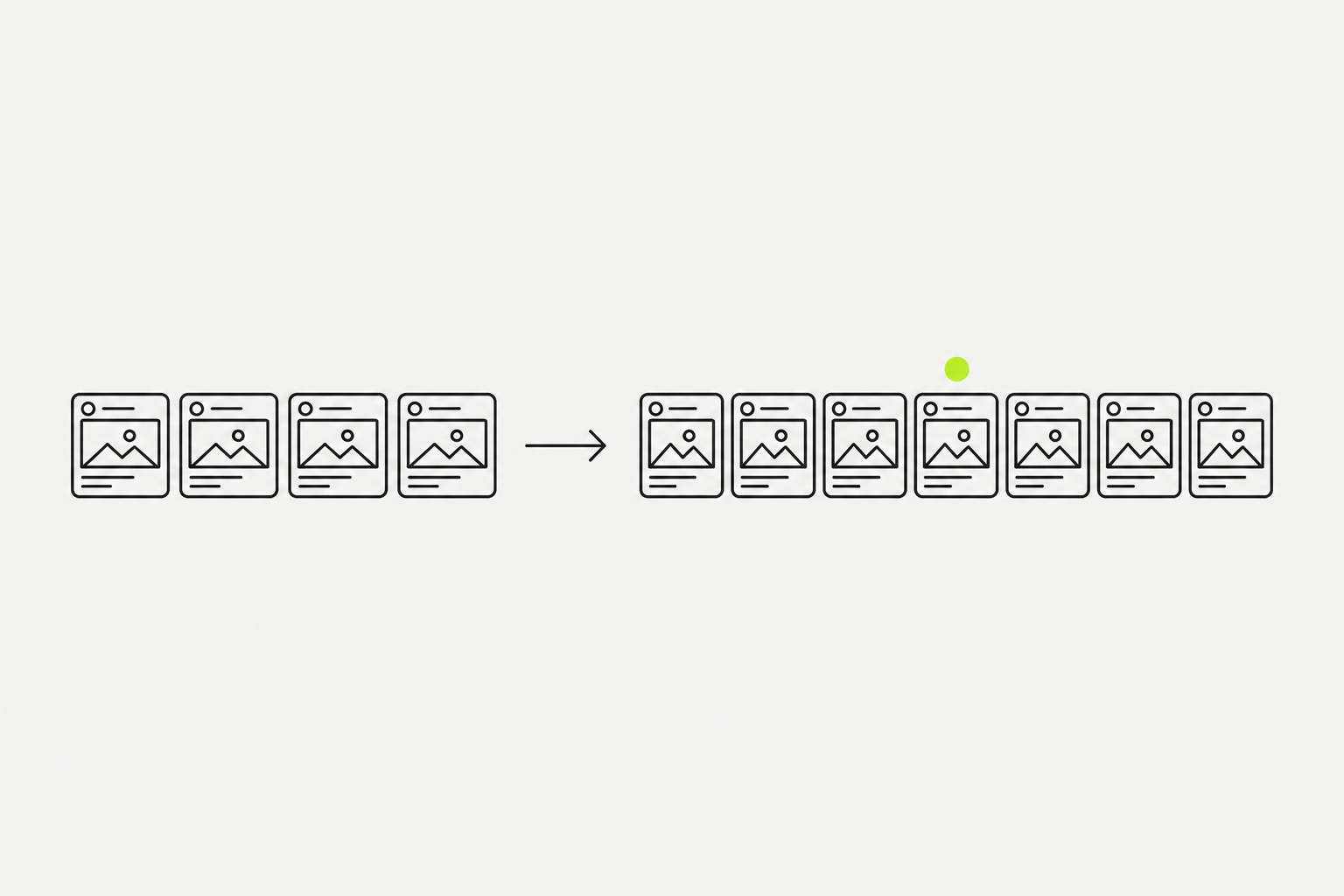
Four posts a week is the floor of that range, and seven is the top.
Four posts a week is the floor, and seven is the top.
- Four posts.
- Up to seven posts.
- The same week, not a burst and then silence.
What you can try now: Post between four and seven times this week.
5,000 followers with strong engagement routinely outperforms 500,000 with weak engagement.
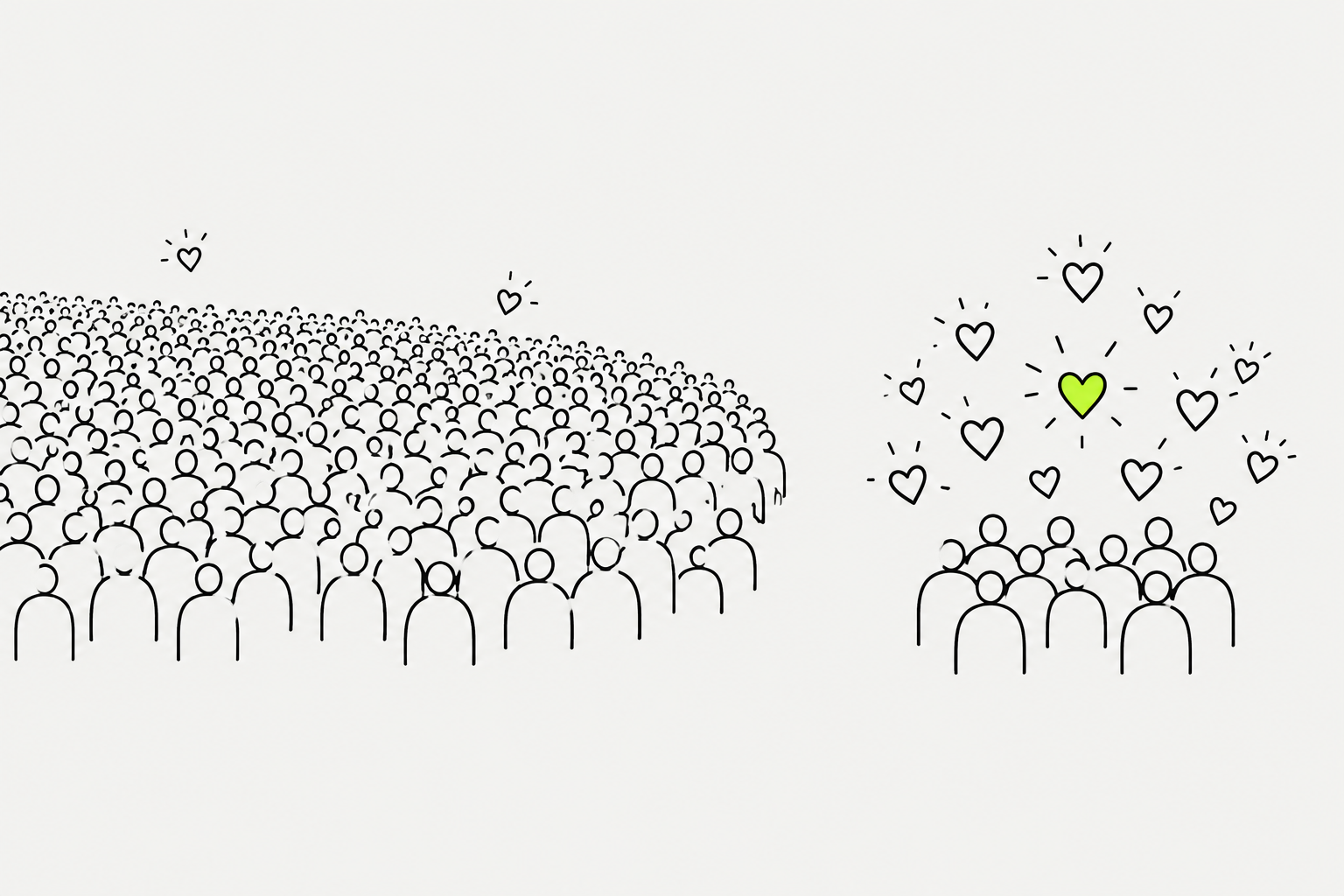
A creator with 5,000 followers and a strong engagement rate routinely outperforms a creator with 500,000 followers and weak engagement on individual videos.
Strong engagement on a small account beats weak engagement on a huge one.
- 5,000 followers.
- 500,000 followers.
- The rate on the single video.
What you can try now: Compare a small account's rate with a much larger quiet one.
How I learned video editing in 30 days beats a generic hashtag title.
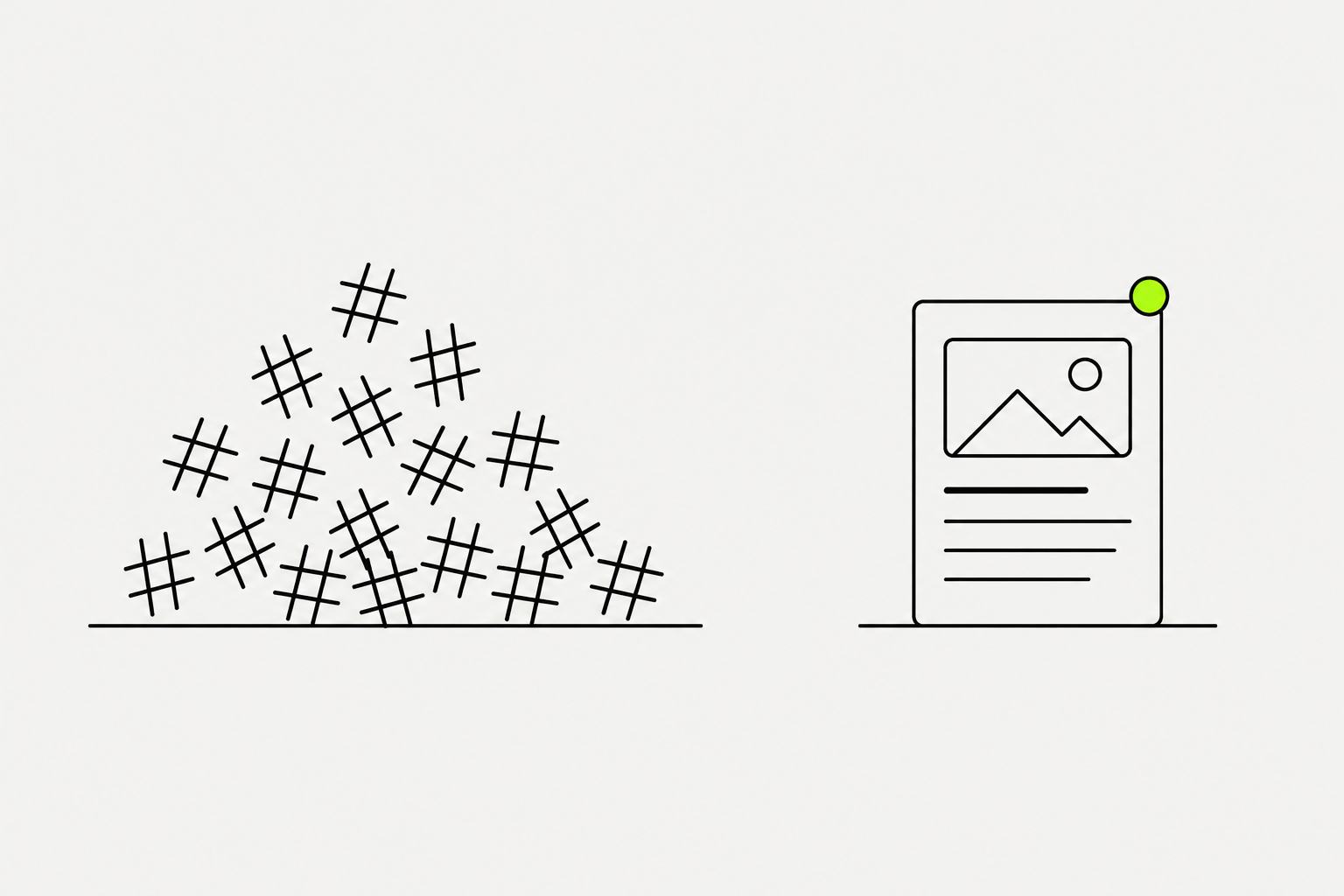
"How I learned video editing in 30 days" beats "Day 1 of editing" followed by a stack of generic tags.
A specific title tells the viewer what the 30 days were about.
- A specific claim.
- A day-one label plus generic tags.
- The specific claim wins.
What you can try now: Name the specific thing the video is about in the first line.
A 30-minute interview contains about 30 quotable moments of 25-45 seconds.
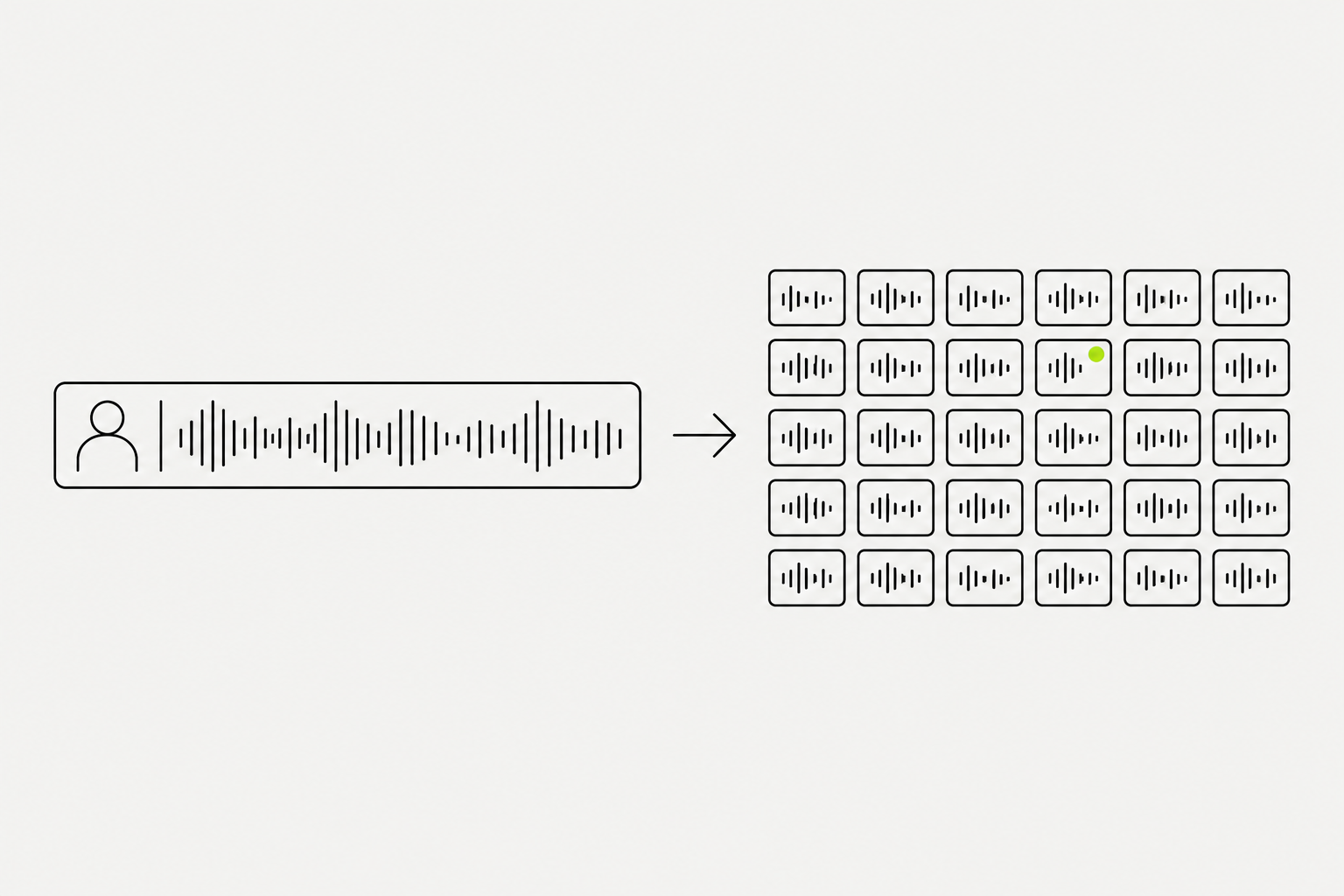
Each of those moments can become its own short video. One long recording is a pile of posts, not one post.
Each quotable moment can become its own short video.
- About 30 moments.
- 25 to 45 seconds each.
- One long recording, many posts.
What you can try now: Cut one long recording into the quotable 25 to 45 second pieces.
A hook that stops the scroll in the first three seconds.
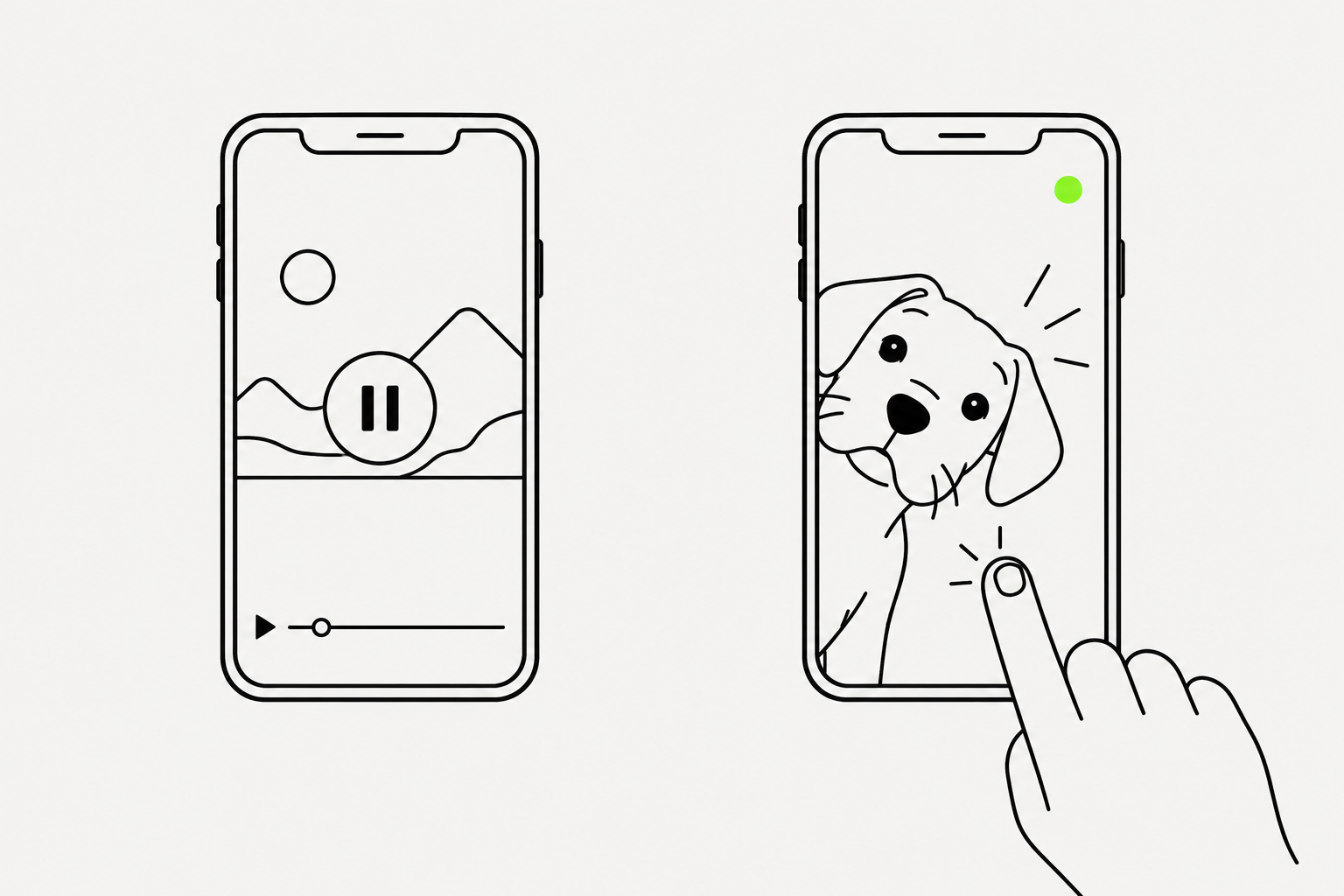
Make videos people actually finish and feel compelled to tap. The hook, a tight middle, and an ending that gives a reason to tap the heart are the three parts of that job.
The ending has to give a reason to tap the heart.
- The first three seconds.
- A tight middle.
- An ending with a reason to tap.
What you can try now: Open the video so the scroll stops in the first three seconds.
Bought likes come from bot or low-quality accounts that never watch.
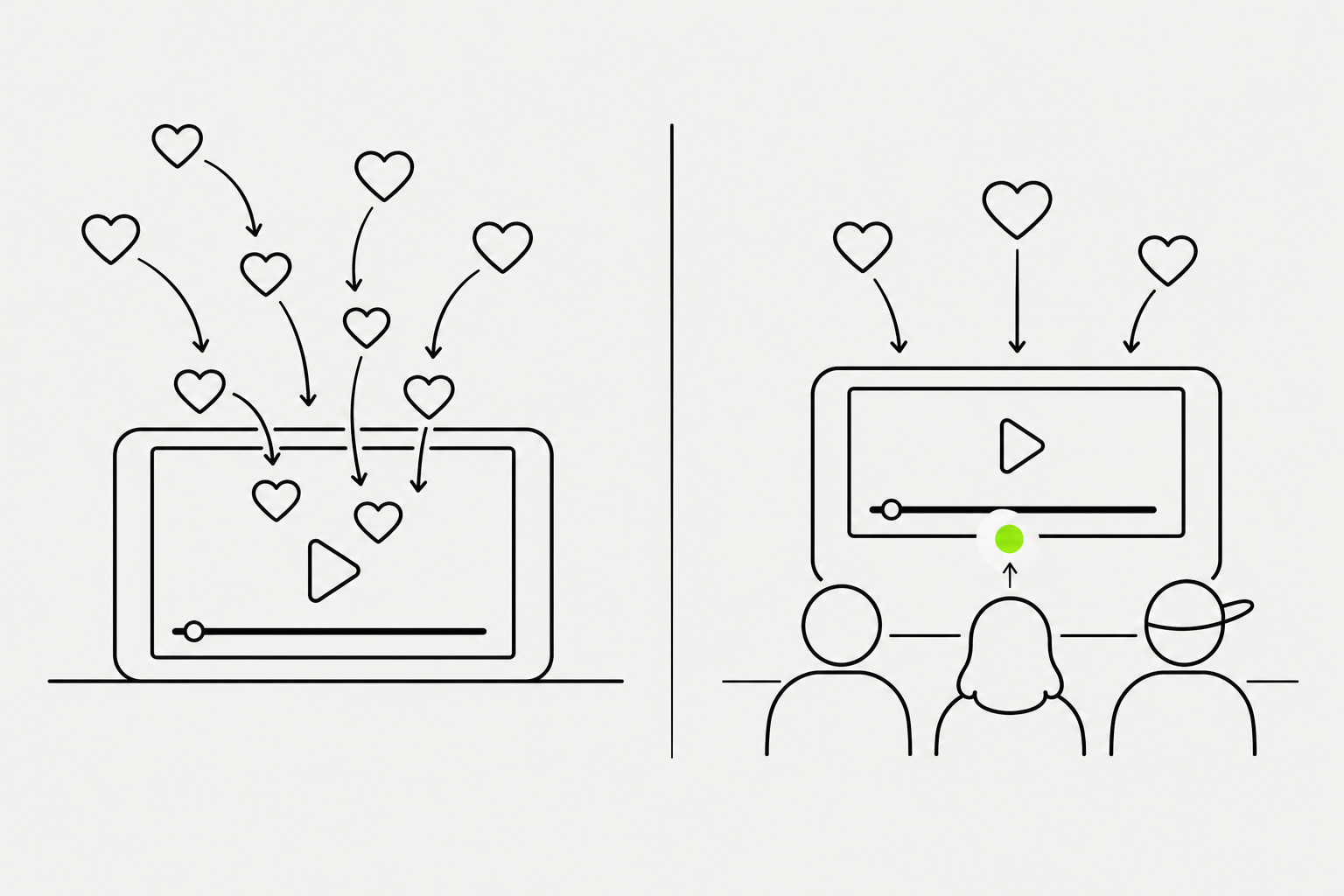
The like count rises while watch time and completion stay flat, and the systems read that mismatch as inauthentic.
Watch time stays flat while the bought like count rises.
- Bot or low-quality accounts.
- No watch on the video.
- Reach goes down, not up.
What you can try now: Earn the like from someone who actually watched.
The single biggest lever on long-term likes is volume of good videos.
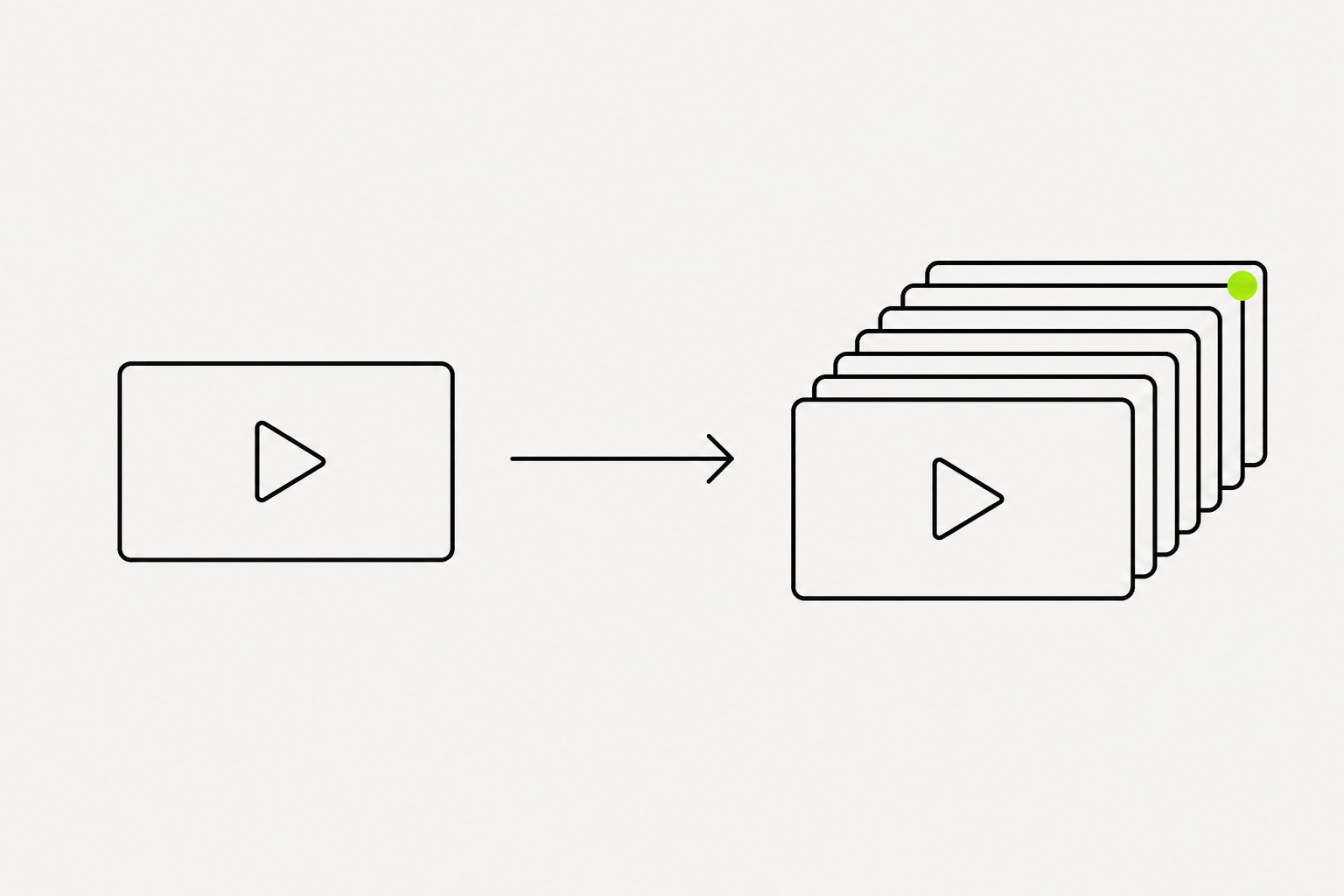
Every additional post is another shot at the algorithm. People like videos more often when you give them a clear, low-pressure nudge.
Every additional good post is another shot at the algorithm.
- Volume of good videos.
- Another shot with each post.
- A clear, low-pressure nudge.
What you can try now: Publish the next good video instead of waiting on one perfect one.