Table of Contents
- 1. Prioritize Human Interaction Over Bot Automation
- What real interaction changes
- 2. Create Consistent, Quality Content for Your Audience
- Build content people can recognize fast
- What consistency actually means
- 3. Implement Strategic Task-Based Engagement Programs
- 4. Spark Meaningful Comments and Conversations
- Ask for opinions people actually have
- Comment prompts that usually work
- 5. Build Strategic Partnerships and Cross-Promotions
- Pick partners with audience overlap and different strengths
- Use partnerships to create early velocity, not just exposure
- Formats that usually work
- 6. Optimize Posting Schedule and Timing for Maximum Visibility
- Treat the first hour like a launch, not an upload
- What to test
- 7. Utilize Multi-Platform Growth Strategy for Expanded Reach
- Build around one home base
- Use each platform for a different job
- Match effort to return
- 8. Use Reposts and Shares to Expand Content Reach
- Format for forwarding, not just reading
- 9. Maintain Transparency and Build Trust Through Engagement Verification
- Show the process, not just the count
- Trust signals worth checking
- 10. Develop Referral and Viral Growth Loops Through Community Incentives
- 10-Point Social Media Engagement Tips Comparison
- From Tips to Action Your Engagement Plan
You spend an hour editing a post, write a caption you like, hit publish, and then watch it sit there with almost no movement. I've seen that happen to good creators, smart marketers, and brands with solid content. The post wasn't dead on arrival because it was bad. It usually missed the first wave of interaction that tells platforms to keep showing it to more people.
That early window matters. If people react quickly, comment quickly, and share quickly, your post has a better shot at escaping your existing audience and getting wider distribution. If it doesn't, even strong content can disappear. That's why a lot of social media engagement tips that focus only on “make better content” feel incomplete.
The better way to think about it is simple. Content quality gets you in the game. Early interaction keeps you there.
A lot of teams overcomplicate this. They chase hacks, copy trends that don't fit their audience, or post nonstop and burn out. What works better is a tighter playbook: publish content people want, post it when your audience is active, and make sure that first hour doesn't pass in silence. If you run social for a business, creator brand, newsletter, or product, that first push is often the difference between a post that stalls and a post that spreads.
If you need a broader foundation for planning and execution, this Titan Blue Australia social media guide is a useful companion. Below are ten social media engagement tips I'd use.
1. Prioritize Human Interaction Over Bot Automation
I've watched posts get an early burst of fake likes and still go nowhere. The numbers looked decent for a minute, but the comment section felt empty, nobody clicked through, and nothing carried into the next post. That trade-off is the whole problem with bot-driven engagement. It pads the surface metrics and weakens the signals that matter.
Human interaction gives you better information and better momentum. You can see which hooks start conversations, which formats bring in profile visits, and which posts pull in saves, replies, and DMs instead of dead traffic. If you run a local brand, service business, or creator account, that feedback loop matters more than inflated counts. The local business marketing guide by Silva Marketing is a good example of the kind of audience-first thinking that holds up over time.
That is also why I care so much about the Golden Hour. The first wave of engagement needs to come from real people who will respond like real followers. A community-driven system can help with that if the members are active, moderated, and participating. With Upvote.club, the goal is to help posts get that initial traction through verified human accounts contributing likes, comments, reposts, saves, and follows. The moderation side matters because low-quality accounts create weak engagement patterns that are easy to spot and hard to build on.
What real interaction changes
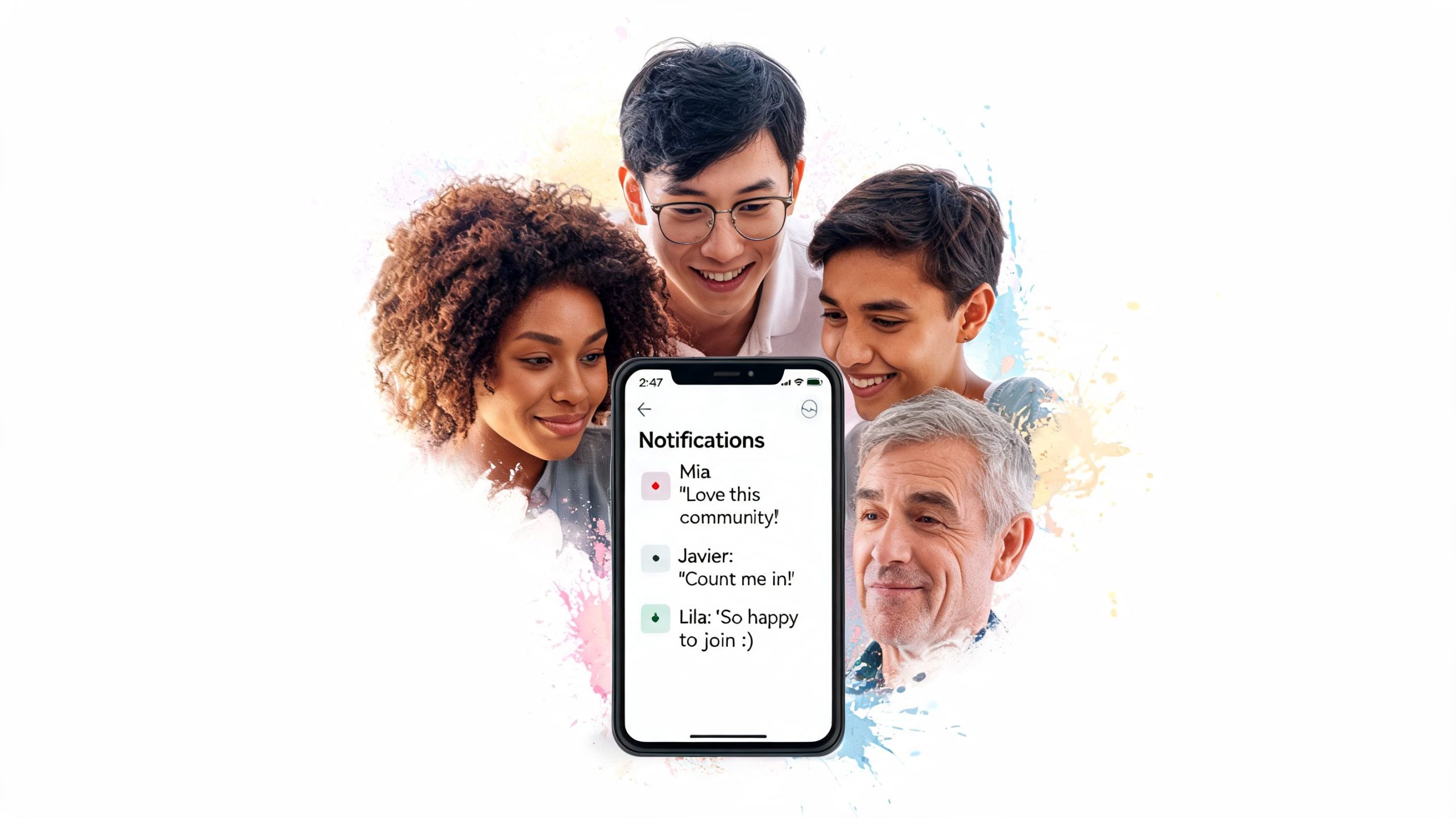
The clearest difference shows up in the comments. Real audiences leave opinions, ask follow-up questions, tag friends, and come back later. Bot-heavy engagement usually creates a shallow pattern. Short replies, generic praise, no conversation, and no downstream action.
I use a simple filter before I trust any engagement tactic. Check whether the people interacting look like actual users with posting history, varied behavior, and believable language. Then check what happens next. Do you see profile visits, story replies, DMs, shares, or repeat engagement on the next few posts? If not, the tactic is giving you noise, not traction.
A practical review process:
- Check account quality: Look for active profiles with posting history, profile photos, and normal interaction patterns.
- Read comments manually: Specific comments beat generic praise every time.
- Watch follow-on behavior: Good engagement creates more than likes. It often leads to clicks, replies, and return visitors.
- Measure Golden Hour lift: Compare posts that get early human engagement with posts that do not. The difference in reach is usually obvious.
The goal is not to manufacture popularity. It is to give strong content a real first push, from real people, so the platform has a reason to keep distributing it.
2. Create Consistent, Quality Content for Your Audience
I've seen this pattern over and over. A creator posts a strong video, gets a nice spike, disappears for a week, then comes back with something off-topic and wonders why engagement dropped. The problem usually is not effort. It is inconsistency in subject, format, and audience fit.
Build content people can recognize fast
Your audience should know what they're going to get from you before they even read the caption. That kind of recognition drives repeat views, and repeat views give you a better shot at strong performance in the first hour after posting.
That matters because the Golden Hour only helps if the post deserves momentum. Early engagement can amplify good content. It rarely saves scattered content that confuses the audience.
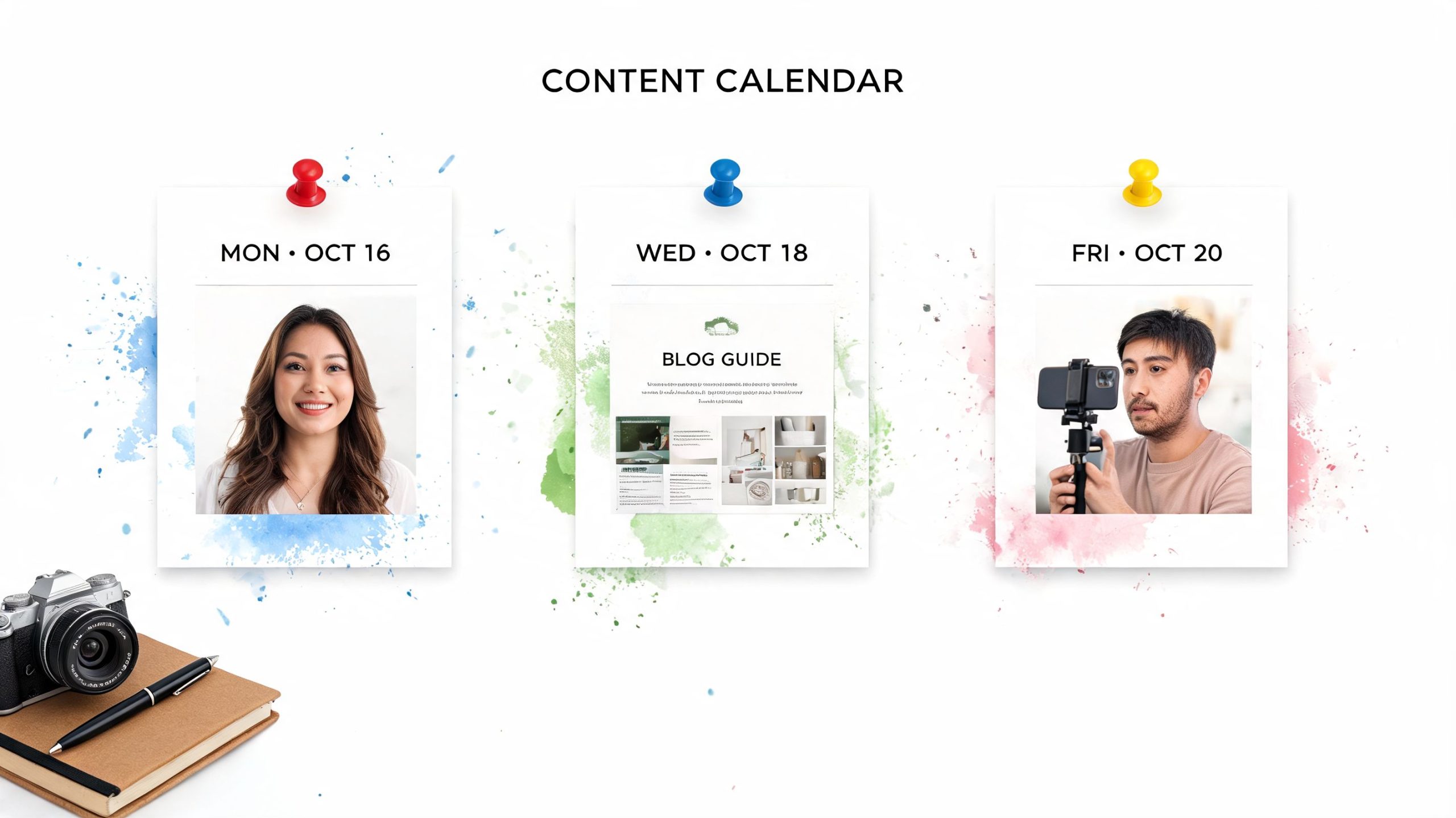
I usually set this up with three to five content lanes and keep them steady for at least a month. For a creator, that might be tutorials, opinions, behind-the-scenes clips, and audience Q&As. For a business, it might be customer proof, product education, team stories, and answers to common objections. The exact mix matters less than staying recognizable.
If you need help mapping those themes to an actual business calendar, this local business marketing guide by Silva Marketing is a useful reference.
What consistency actually means
Consistency is not posting the same template every day.
It means people can predict the value of your account. They know your posts will teach them something, entertain them in a specific way, or help them make a decision. That trust raises the chance they will stop, react, save, or comment when your next post shows up.
Here's what I keep steady:
- Content themes: Pick a small set of repeat topics so followers remember what you cover.
- Point of view: A clear voice beats random swings in tone.
- Format mix: Use a few formats on purpose instead of chasing every new feature.
- Publishing rhythm: Post often enough to stay familiar, but not so often that quality drops.
There is a real trade-off here. More volume gives you faster feedback, but weak posts train people to scroll past you. I would rather publish four posts a week that fit the brand and earn saves than seven forgettable ones that get polite likes.
One practical way to protect quality is to build for distribution before you post. Write stronger hooks. Make the first frame clearer. Give the caption one job. Then, if you are coordinating early traction around a launch or priority post, pair that stronger content with a structured support system. A task-based workflow, like the one described on this Chrome Social install growth page, works better than posting inconsistently and hoping the algorithm figures out your account.
3. Implement Strategic Task-Based Engagement Programs
I learned this lesson on launch posts. The content was good, the timing was right, and the feed response still came in flat because the first wave never showed up. Social platforms read those early signals fast. If a post gets the right activity in the first stretch, distribution usually gets easier. If it sits there cold, recovery is harder than creators want to admit.
That is why I use task-based engagement for priority posts. Not for every upload, and not as a substitute for strong creative. I use it when a post has a job to do and needs coordinated activity during the Golden Hour, the short window after publishing when early likes, comments, saves, reposts, or installs can shape reach.
A structured task system works better than loose support groups because the ask is clear. One post needs comments from people who understand the topic. Another needs reposts. A launch tied to product adoption might need installs, which is exactly the use case shown on this Chrome Social install growth page.
Upvote.club runs on that logic. Members complete specific tasks, earn points, and spend those points to get support on their own campaigns. New users get 13 free points and 2 task slots, which is enough to test the workflow before deciding whether it belongs in your regular promotion mix.
The advantage is control.
Instead of dropping a link in a chat and hoping people guess what helps, you define the action and line it up with the post goal:
- Ask for one action per task: likes, comments, saves, reposts, follows, or installs. Clear requests get completed more reliably.
- Match the task to the format: saves fit educational carousels, replies fit opinion posts, and installs fit launch or product-led campaigns.
- Use the Golden Hour on purpose: queue tasks around publish time so the post gets credible early movement while it still has the best chance to spread.
- Treat points like budget: spend them on posts with upside, not routine filler.
There is a trade-off here. If the system is loose, it turns into empty activity and weak signals. If the system is too rigid, it can feel mechanical and produce the wrong type of engagement. The fix is moderation and verification. On Upvote.club, accounts are verified without passwords through an emoji-based process, and each network only needs to be verified once. That keeps participation tied to real accounts while reducing setup friction.
Used well, task-based engagement gives you an execution layer for traction. It helps a strong post get seen early by real people, with a community structure built around specific actions instead of vague promises to “support each other.”
4. Spark Meaningful Comments and Conversations
Likes are easy. Comments take effort. That's why comments matter more than most creators treat them.
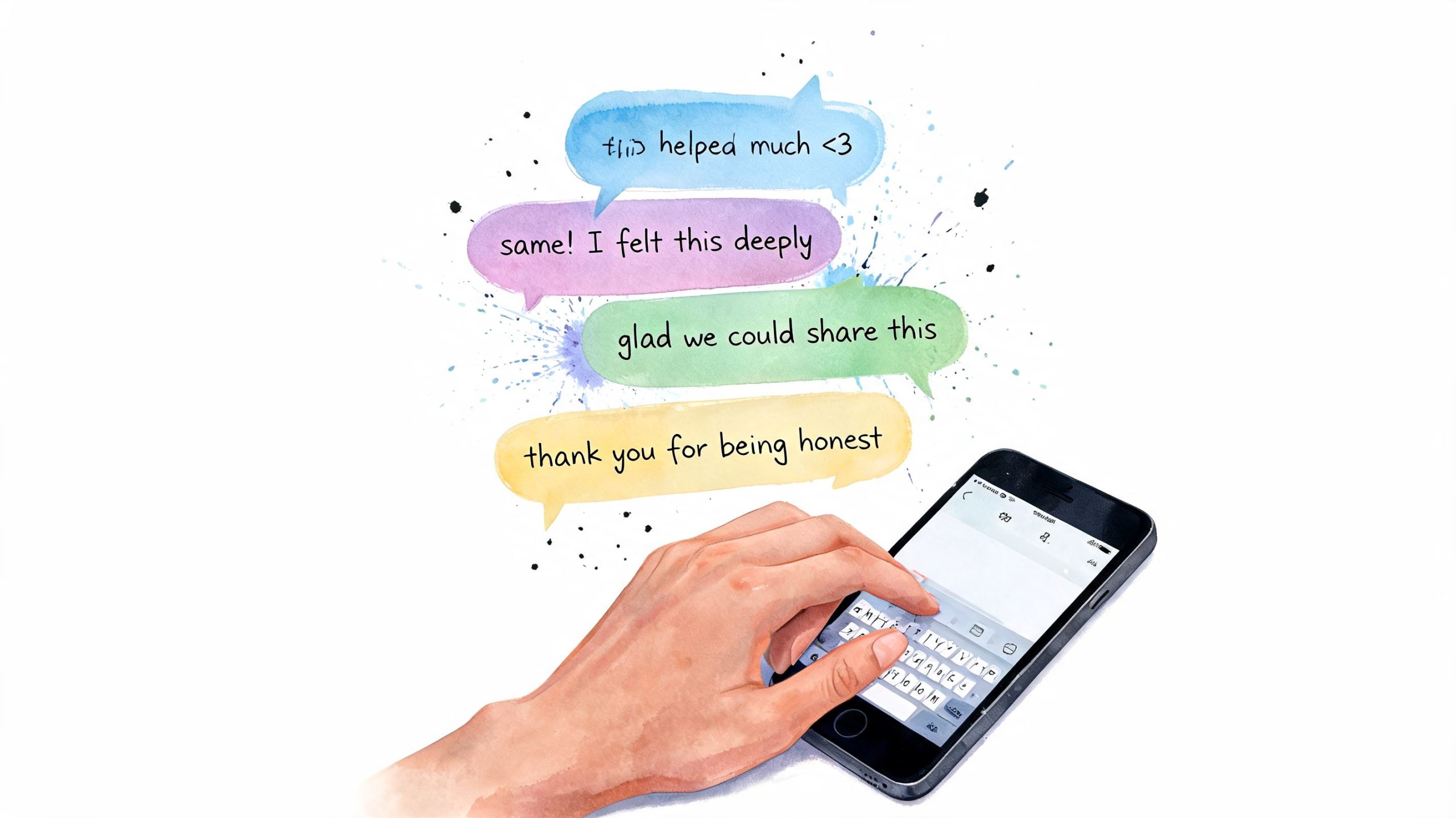
If you want stronger engagement, write for replies. Don't just post for impressions. A post that pulls people into a conversation usually has more staying power than a post that gets quick passive approval and disappears.
Ask for opinions people actually have
The worst prompts are lazy. “Thoughts?” at the end of a vague post rarely works. Better prompts give people a lane to enter. Ask them which option they'd choose, what they've tried, what failed for them, or what they'd do next.
Interactive formats help here too. Adobe's benchmark data says interactive content like polls and carousels can outperform standard posts by 1.5 to 4x in engagement rate, and X polls can drive 3x more replies than text-only threads, according to Adobe's engagement benchmark article. That tracks with what I've seen in practice. People often respond faster when you lower the effort needed to join in.
If you want comments, give people a real decision, a real disagreement, or a real story to react to.
Comment prompts that usually work
- Use contrast: “Which works better for you and why?”
- Use experience: “What did you try first when this happened?”
- Use debate: “Is this smart or overhyped?”
- Use follow-up questions: Keep the thread alive after the first reply comes in.
With our Upvote.club service, you can also direct task completion toward thoughtful comments from verified human accounts. That helps start the conversation without relying on random luck. Once a few real replies appear, other people are more willing to join.
5. Build Strategic Partnerships and Cross-Promotions
One of the fastest ways to get traction on a good post is to stop treating distribution like a solo job.
I have seen mid-sized accounts get better engagement from one well-matched collaboration than from a month of posting alone. The reason is simple. Trust transfers faster than reach. When a creator, brand, or operator with audience overlap puts you in front of their people, you are not starting cold.
Pick partners with audience overlap and different strengths
Good partnerships sit close to your niche, but they should not be a clone of your account. A developer tool creator can work well with an indie hacker newsletter. A B2B consultant can collaborate with a recruiter who speaks to the same buyers from a different angle. A fitness creator and a meal-prep brand make sense for the same reason.
Audience fit decides whether the traffic is useful. Follower count does not.
Instagram remains one of the places where people regularly discover brands and products through creators they already follow, which is why a strong introduction can shorten the path from impression to follow or click. But size still fools people here. Large accounts often send passive views. Smaller accounts with tight communities often send comments, saves, DMs, and actual buying intent.
Use partnerships to create early velocity, not just exposure
The best cross-promotion does more than put your name in front of new people. It helps you win the first hour.
That matters because early interaction changes how far a post travels. If you already use a Golden Hour approach, partnerships give you a practical way to stack that window with real attention from relevant people instead of waiting for the algorithm to guess. A collaborator shares the post, comments early, brings in their audience, and gives the content enough initial movement to earn broader distribution.
That is a much better use of collaboration than random shoutout swaps.
Formats that usually work
- Co-created posts: Both parties appear in the content and publish with a shared angle.
- Live sessions: Best for launches, Q&A, breakdowns, and audience trust-building.
- Newsletter plus social swaps: One partner explains why the other is worth following, then supports it on social.
- Short series: Two to four posts usually outperform a one-off mention because repetition builds recognition.
I also like giving each partner a clear role. One brings expertise. The other brings a stronger distribution channel. One is better on video. The other writes the stronger caption or follow-up thread. Clear division makes the collaboration sharper and easier to repeat.
With our Upvote.club service, members often meet active creators and founders who can become real distribution partners, not just one-time engagers. That community angle matters. It gives you a practical way to coordinate early support during the Golden Hour, test collaborations across platforms, and turn a single cross-promotion into an ongoing growth channel.
6. Optimize Posting Schedule and Timing for Maximum Visibility
Timing won't save a weak post, but it absolutely affects whether a strong post gets a fair shot. If you publish when your audience is offline, you're wasting the best part of the launch window.
Many creators find this part confusing. They seek a universal best time to post, but no single schedule works for every person. There are initial starting points, but ultimate success depends on your own audience behavior.
Treat the first hour like a launch, not an upload
Your first hour matters because platforms are watching for early response. If your audience sees the post, reacts, and starts discussion, distribution usually improves. If the post lands in a dead zone, you've made your job harder.
The same Adobe benchmark source notes that peak audience windows such as 9 to 11 AM weekdays are useful starting points for testing, but your own historical performance should guide the final schedule. That's the right way to use timing advice. Start broad, then narrow based on your own account.
Post timing is part of distribution. It isn't a housekeeping detail.
What to test
- Audience time zones: Don't optimize for your clock if your buyers live elsewhere.
- Workday vs off-hours behavior: B2B and creator audiences often behave very differently.
- Content type by time slot: Educational posts might work in the morning, while personality-led posts may work later.
- Response capacity: Don't post at a great time if you can't reply during the first wave of comments.
With our Upvote.club service, I'd treat timing and task setup as one workflow. Publish when your audience is active, then use that opening window to drive the first round of real interaction from the community.
7. Utilize Multi-Platform Growth Strategy for Expanded Reach
I learned this one the hard way. A post format can work for months on one platform, then distribution shifts and reach drops without warning. If all your attention comes from one feed, you feel every change immediately.
A multi-platform strategy gives you another source of traffic, another place to test ideas, and another way to catch people who do not consume content the same way everywhere. Your audience already moves between apps during the day. The practical question is where your content can travel with the least extra effort.
Build around one home base
The mistake is trying to publish natively everywhere at full volume. That burns time fast and usually lowers quality. I get better results by choosing one primary channel, then using two supporting platforms that fit the same audience and the same content thesis.
A simple setup looks like this:
- Journalist: X for commentary, LinkedIn for professional reach, Medium for longer analysis
- Product founder: LinkedIn for trust, X for speed, Product Hunt for launches
- Visual creator: Instagram for daily distribution, TikTok for discovery, YouTube for longer retention
- Developer: GitHub for proof of work, X for ideas, Reddit for niche discussion
The core idea stays the same. The packaging changes.
One strong post can become a short video, a text thread, a carousel, a founder opinion post, or a community answer. That is how smaller teams stay visible across channels without creating everything from scratch.
Use each platform for a different job
This is the part a lot of creators skip. They post the same asset everywhere and call it distribution. Platforms reward different behaviors, and audiences show up with different intent.
I usually assign roles:
- Discovery platforms bring in new people
- Conversation platforms help test opinions and gather feedback
- Trust platforms help people evaluate your expertise
- Archive platforms keep your best ideas searchable over time
Quora is useful here if your audience searches for advice before they buy. A detailed answer can keep bringing views long after a social post dies, and Quora share growth support can help give those answers an early push when you want more initial distribution.
Match effort to return
There is a real trade-off. Every extra platform adds formatting work, comment management, and community expectations. Copy-pasting everything saves time in the short run, but it usually reads like recycled content.
I prefer a simple rule. Create once, adapt twice. If a post deserves broader reach, rewrite it for two additional platforms in the native style of each one. If it is not strong enough to survive that adaptation, it probably was not strong enough to carry your week anyway.
With Upvote.club, I like having one place to coordinate engagement across Instagram, TikTok, YouTube, X, Facebook, LinkedIn, Reddit, Medium, Quora, Product Hunt, GitHub, and more. That matters during the Golden Hour. Early interaction across the right channels can help a good post get traction faster, instead of waiting and hoping one platform does all the work.
8. Use Reposts and Shares to Expand Content Reach
One repost from the right person can beat fifty passive likes.
I treat shares as distribution, not vanity. A like tells the platform someone noticed your post. A repost puts that post in front of a second audience with built-in trust, which is why I plan for shareability before I publish, not after a post starts to stall.
The biggest mistake I see is writing for consumption only. Useful posts travel further. A clean framework, a strong point of view, a checklist, a before-and-after example, or a short lesson gives people a reason to pass it along because sharing it helps them look informed.

Format for forwarding, not just reading
Format changes share behavior. Analysts at Socialinsider found stronger engagement for Instagram Reels than static image posts in Socialinsider's engagement study. That lines up with what I see in practice. Fast, clear content gets forwarded more often because people can judge its value in seconds.
The trade-off is quality control. Posts built to get shares can drift into generic advice or cheap controversy if you push too hard. I get better results by adding one specific share cue tied to a real use case. “Send this to the teammate handling content approval” works because it tells people exactly who would benefit.
Shares also matter most in the first hour. If a post gets early reposts during the Golden Hour, it has a better chance of reaching beyond your existing audience while the platform is still testing it. That is one reason I use structured distribution support instead of hoping followers will do the work on their own. For Quora, the Quora share support page shows how to set up share-focused actions inside Upvote.club.
- Write for usefulness: People repost content that saves time, explains something clearly, or gives them a strong reference point.
- Make the first line carry weight: If the hook is vague, the post usually dies before anyone considers sharing it.
- Use repost asks with restraint: The prompt should fit the post and the audience, or it starts to read like bait.
9. Maintain Transparency and Build Trust Through Engagement Verification
I have seen creators ruin good momentum with one bad shortcut. The post performs, the numbers look strong for a day, then replies start questioning the engagement quality and the whole win turns into suspicion. Once that happens, every future post has to fight through extra doubt.
Transparent engagement systems prevent that problem before it starts. If you cannot verify who completed the action, how the account was checked, or whether real users were involved, you are taking on account risk for a vanity metric.
Show the process, not just the count
With our Upvote.club service, users verify social accounts through an emoji-based method instead of sharing passwords. We also show who completed each task, so users can review activity rather than stare at an unexplained spike on a dashboard.
That matters most during the Golden Hour. Early traction helps, but only if the activity looks credible to the platform and to the people checking your post. I would rather get 20 traceable interactions from real participants in the first hour than 200 mystery signals that make the account look manipulated.
For a niche example of verified community activity in practice, the Indie Hackers upvote workflow shows how task completion can stay visible without turning the process into a black box.
People trust visible process more than inflated metrics.
Trust signals worth checking
- Visible task records: You should be able to see who engaged and what they completed.
- No password requests: Any growth tool asking for login credentials creates unnecessary account risk.
- Active anti-bot control: Low-quality accounts flood open systems fast if nobody moderates them.
- Natural task pacing: Sudden, unnatural bursts can hurt credibility even if the raw numbers look good.
Transparency will not fix weak content. It does protect your reputation, make early traction safer to build on, and give you a cleaner foundation for repeatable engagement.
10. Develop Referral and Viral Growth Loops Through Community Incentives
One of the fastest engagement wins I have seen looks small at first. A member gets a useful result on their own post, invites two friends who want the same outcome, and those new members become active enough to bring in the next wave. That is how referral loops start. Not with a flashy giveaway, but with a clear, repeatable benefit people want to share.
Community incentives work when the reward helps members get more value from the system itself. At Upvote.club, referrals add points users can put back into promotion, which keeps the loop tied to real participation instead of vanity rewards. Daily streaks help for the same reason. They give people a practical reason to return before momentum fades.
The trade-off is quality control. Referral mechanics can grow a community fast, but they can also lower the average member quality if the incentive is too broad. I have found that the best loops reward useful activity, not signups alone. If someone joins, completes tasks, contributes to other members' posts, and then invites a peer who does the same, the loop strengthens the community instead of diluting it.
A good niche example is this Indie Hackers upvote workflow for community-driven traction. It shows the kind of exchange that works well during the Golden Hour. Early activity from motivated community members gives a post its first push, and referral incentives help keep that system fed with new participants who understand the value right away.
Use a few simple rules:
- Reward participation that improves the network: Give points or benefits for completed tasks, useful engagement, and successful referrals.
- Tie rewards to outcomes members already want: Credits, visibility, or faster traction usually work better than generic prizes.
- Keep the invite pitch easy to repeat: If a member cannot explain the benefit in one sentence, referrals slow down.
- Filter for fit: A smaller group of active contributors beats a larger group of passive signups.
- Support the Golden Hour: Encourage members to bring in people who will act quickly, not just register.
Referral loops are powerful because they reduce your dependence on constant manual outreach. The best version feels earned. Members stay because the community helps their content move, and they invite others because that benefit is easy to prove.
10-Point Social Media Engagement Tips Comparison
| Strategy | Implementation complexity | Resource requirements | Expected outcomes | Ideal use cases | Key advantages |
|---|---|---|---|---|---|
| Prioritize Human Interaction Over Bot Automation | Moderate, requires community moderation and processes | High time commitment, moderators, verified human accounts | Slow, steady organic growth with higher-quality engagement | Brands seeking long-term credibility and community-driven growth | Compliance with platform rules; trust and lasting relationships |
| Create Consistent, Quality Content for Your Audience | Moderate–High, editorial planning and execution | Content creators, planning tools, time for production | Increased engagement, retention, and authority over time | Thought leadership, audience education, retention-focused strategies | Predictable visibility; strong brand authority |
| Implement Strategic Task-Based Engagement Programs | High, needs gamification, tracking and task workflows | Platform tooling, active participants, moderation capacity | Rapid, reciprocal engagement across posts when community is active | Rapid traction, community-driven promotion, distributed engagement | Scalable reciprocal activity; cost-effective vs. ads |
| Spark Meaningful Comments and Conversations | Moderate, craft prompts and manage responses | Time to reply, knowledgeable community members, moderation | Deeper engagement, richer feedback, improved algorithmic visibility | Product feedback, community building, discussion-driven content | High-value interactions; stronger loyalty and signals to algorithms |
| Build Strategic Partnerships and Cross-Promotions | Moderate, partner sourcing and coordination | Outreach time, co-creation resources, agreements | Expanded qualified reach and shared credibility | Audience expansion, co-marketing, joint launches | Access to new audiences; credibility boost through association |
| Optimize Posting Schedule and Timing for Maximum Visibility | Low–Moderate, analytics and A/B testing | Analytics tools, scheduling software, testing time | Higher immediate engagement per post; better feed placement | Time-sensitive announcements, maximizing ROI from existing content | Improves efficiency of posts; predictable engagement lifts |
| Utilize Multi-Platform Growth Strategy for Expanded Reach | High, multiple platform strategies and adaptation | More staff/time, platform-specific content production, management tools | Diversified reach and reduced single-platform dependency | Broad audience targeting, brand resilience, platform experiments | Multiple audience touchpoints; diversified opportunity streams |
| Use Reposts and Shares to Expand Content Reach | Low–Moderate, craft shareable content and CTAs | Creative effort, clear CTAs, share tracking | Potential exponential reach and follower growth if content resonates | Viral campaigns, awareness drives, shareable insights | High amplification with relatively low extra effort |
| Maintain Transparency and Build Trust Through Engagement Verification | Moderate, implement verification and disclosure systems | Verification tools, reporting, ongoing moderation | Increased audience trust and lower risk of platform penalties | Brands prioritizing authenticity and regulatory compliance | Enhanced credibility and accountability; differentiates from bots |
| Develop Referral and Viral Growth Loops Through Community Incentives | Moderate–High, design rewards, tracking, and onboarding | Incentive budget, tracking systems, an initial active community | Exponential, cost-efficient user acquisition if referral incentives work | Community platforms, SaaS, products relying on network effects | Scalable organic growth; high-quality, trusted referrals |
From Tips to Action Your Engagement Plan
Most engagement advice sounds good in theory and falls apart in practice. “Post better content.” “Be consistent.” “Talk to your audience.” All true. None of that helps much if your posts still die in the first hour.
That's the gap most creators, marketers, and founders are dealing with. They already know they need good content. What they don't have is a reliable way to give that content enough early movement to get seen. The Golden Hour matters in this context. If your post gets real interaction soon after publishing, it has a better chance to keep moving. If it doesn't, even strong work can disappear before your actual audience notices it.
My playbook is simple. Start with content people can react to. Give them a reason to comment, save, or share. Post when your audience is active. Be there to reply when the first responses come in. Then add a system that helps you get those first interactions from real people instead of waiting and hoping.
That's why we built Upvote.club the way we did. With our Upvote.club service, you can participate in a community where members complete engagement tasks for each other using verified human accounts. You earn points by helping others, then spend those points to get support on your own posts. We also include daily streaks, referral rewards, visible task completion, strict anti-bot moderation, and account verification that doesn't require passwords.
That model matters because it fits how social growth works. There are two real ways to grow on social media. You post content worth seeing, and you get engagement that helps more people see it. Many users can handle the first part. The second part is where momentum breaks.
I wouldn't use fake automation for that gap. I wouldn't tell a team to just “post more” either. I'd build a repeatable launch process around every important post. Pick the right time. Use a format that fits the platform. Ask for a real reaction. Create room for comments. Push for shares when the content deserves it. Then use a community-based system to help the post get its first real traction.
That's what makes these social media engagement tips useful. They're not separate tricks. They work best together. Good content gives you something worth distributing. Real human interaction gives it the push.
If you want a practical way to put this into action, try Upvote Club. With our Upvote.club service, you can turn the first hour after posting into a real growth window by getting likes, comments, reposts, saves, and followers from verified human accounts across X, Instagram, TikTok, YouTube, LinkedIn, Reddit, and more.