








Getting retweets on Twitter in 2026 is a workflow problem with three components.
Getting retweets on Twitter in 2026 is a workflow problem with three components.
Table of contents
Audiences retweet contrast because it positions them as someone who knows the consensus is wrong.

Retweet rate is a function of share value, not request volume. Audiences forward content that signals something about themselves.
A 2-2-3 weekly rotation across the three produces 7 retweet-shaped posts per week.
- Contrast: most accounts believe one thing, and the reality is another.
- A numbered list people can scan and save.
- A story-payload thread, with the hook in the first post.
What you can try now: Draft the next post in a shape people will forward.
Threads earn 2x to 4x the reach of single tweets and the hook tweet carries the retweet.

Tweet 1 is the hook with stakes. Tweets 2 through 7 are the payload.
Story-payload threads produce the highest cumulative retweet count per published thread.
- The hook carries the retweet.
- The payload keeps the people who stay.
- Thread retweets compound past a single tweet.
What you can try now: Turn the hook and the payload into one thread.
Five hashtags on every post triggers the filler heuristic and suppresses reach.
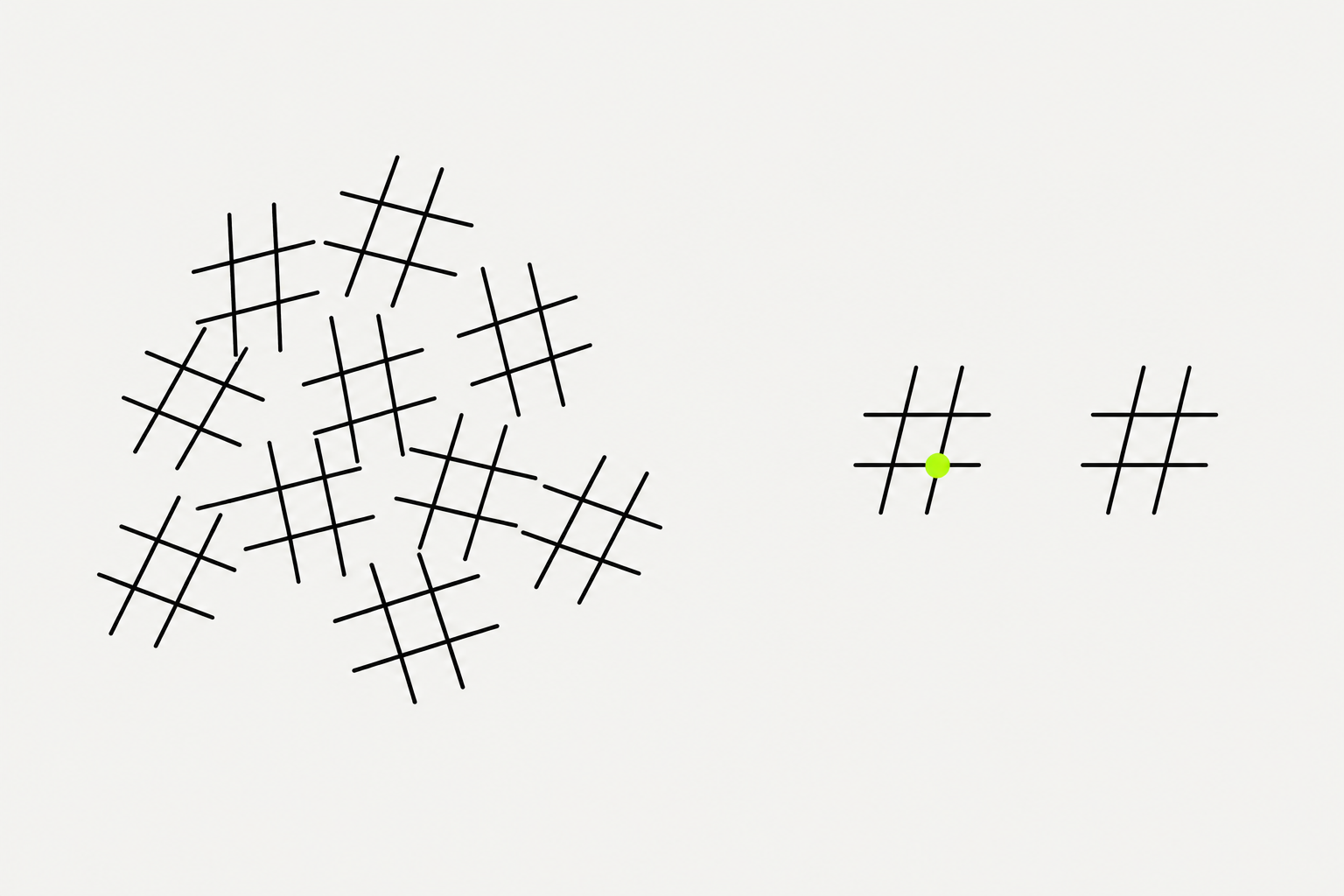
Two hashtags maximum. Please retweet closes feel engaging but reduce retweet rate because they shift the cost of sharing onto the retweeter.
Explicit asks reduce share value.
- Two hashtags at most.
- No please-retweet close.
- A shape people forward without being asked.
What you can try now: Pick at most two tags for this post.
Grow on X

Written by
The Upvote.club team builds free social media tools and runs a community of real people who support each other’s posts on 19 social networks.