

Table of Contents
- Substack growth strategies in 2026 center on the platform's own built-in network
- Notes bring people onto your free list. Articles ask those people to pay.
- Clear positioning is the foundation of building a successful Substack.
- The description should answer "why subscribe" in under fifteen words.
- Substack Notes is the biggest driver of newsletter subscribers on this platform.
- Measured against each author's own baseline, notes under 100 characters had a 24.2% chance of a breakout (at least 2x the author's median likes).
- Substack's recommendation network is the single biggest growth lever on the platform
- For small publications, even two or four steady incoming recommendations from active same-niche writers typically become a visible slice of monthly growth.
- Guest posting on Substack is one of the most underrated visibility tools on the platform.
- Substack currently supports collaborative livestreams with up to three publishers.
- A restack borrows someone else's audience and lends it to you for free.
- Restack two or three posts a week with a real comment attached.
- Once a week works, but expect the climb to 1,000 to take noticeably longer.
- The median publication posts a little over once every two weeks.
- Every newsletter you send contains at least one insight worth sharing on social media.
- Expect to wait three to six months before seeing significant organic traffic from search engines.
- The average Substack free to paid conversion rate is around 3%
- For small to medium lists (from about 100 up to several thousand subscribers), the conversion rate from free to paid is typically in the 1-3% range.
- The largest traffic source may not produce the most subscribers.
- A 2-5% weekly growth rate is healthy for early-stage newsletters.
- The first 1,000 subscribers is achieved by doing things that don't scale.
- For a new publication with no outside audience, 90 days to reach 100 subscribers is an honest target.
- The median newsletter takes 24-36 months to reach 10,000 active subscribers
- Don't evaluate a Substack's growth week to week for the first three months.

Substack growth strategies in 2026 center on the platform's own built-in network

Pick one promise and repeat it until you're bored of it, publish on a schedule you can keep, be a real person on Notes, make friends with other writers, point everything else you do at your Substack - and give it more time than you want to. In 2026, 40% of all new Substack subscriptions come from inside the Substack network itself, through the Recommendations feature and Substack Notes.
Notes bring people onto your free list. Articles ask those people to pay.
- Fifteen minutes a day of being a real person on Notes beats an hour of broadcasting into the void.
- One good recommendation from the right publication can out-grow months of solo effort.
- Evergreen posts on your own site can hand you subscribers every single day for years.
What you can try now: Substack Growth Calculator
Clear positioning is the foundation of building a successful Substack.
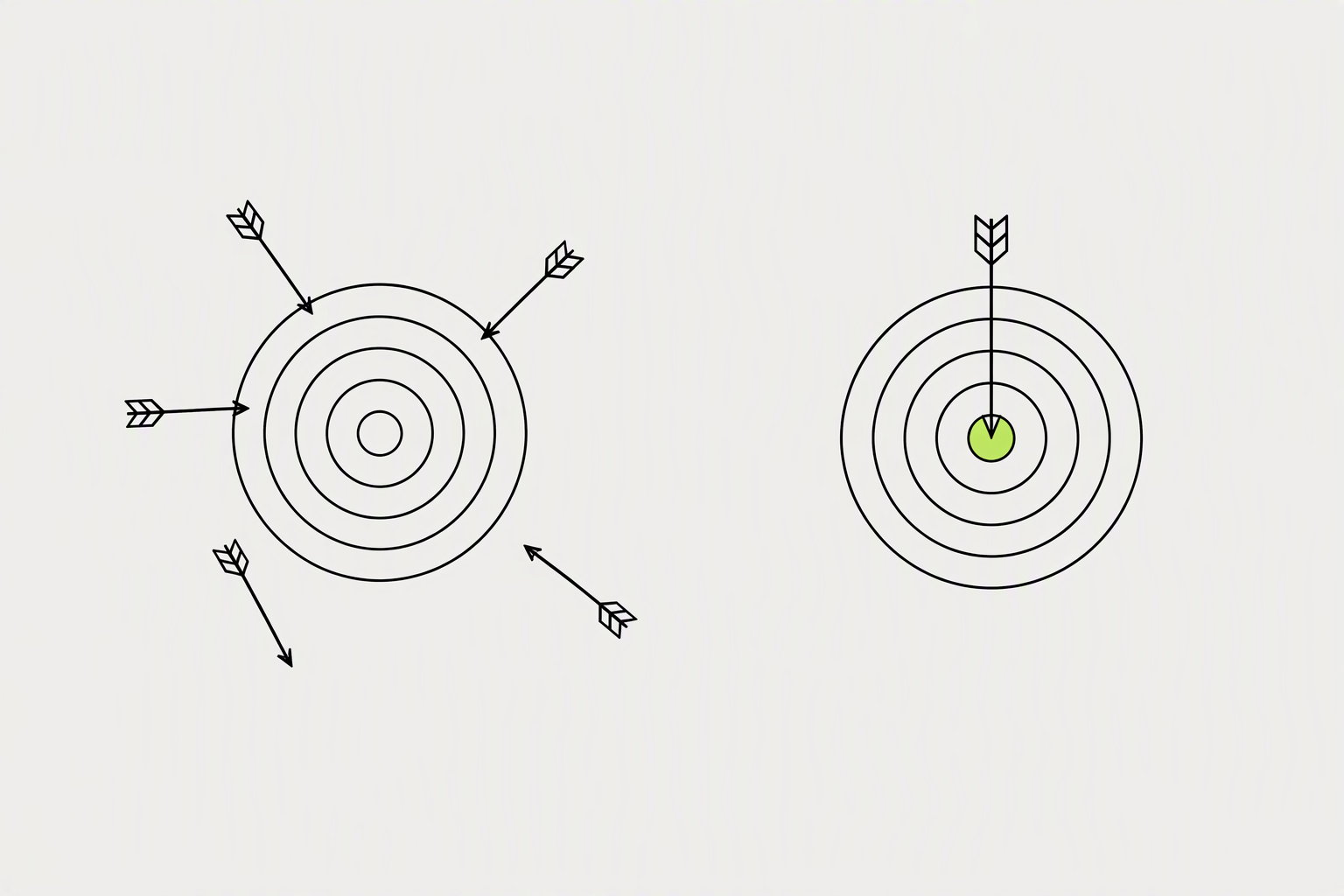
Your positioning lives in your name, tagline, homepage, and welcome email. Writers who position well convert 15 to 30 percent of homepage visitors into free subscribers. Writers who position vaguely convert under 5 percent.
The description should answer "why subscribe" in under fifteen words.
- Rewrite the first sentence so it addresses the reader, not the writer.
- A photo of your face belongs near the top as well.
- Pin your single best-performing article as the first thing new visitors see
What you can try now: Free Substack Profile Audit: 100-Point Score
Substack Notes is the biggest driver of newsletter subscribers on this platform.

Every note you publish can be seen by people who don't follow you yet. The founders have specifically said they want to show your Notes to people who will actually subscribe to your newsletter. Many of the big Substack creators report that 30 - 60% of their entire list comes directly from Notes.
Measured against each author's own baseline, notes under 100 characters had a 24.2% chance of a breakout (at least 2x the author's median likes).
- Post 3 to 5 Notes a day, and not fewer than 2.
- Past 5, subscribers barely move, so if subscribers are your goal, Notes 6 and up are mostly effort.
- If you're posting more than once a day, leave at least two hours between Notes.
What you can try now: Free Substack Notes Checker, Free Substack Notes Generator, Free Best Time to Post Calculator
Substack's recommendation network is the single biggest growth lever on the platform

When you and another creator recommend each other, Substack shows your publication to their new subscribers automatically. Audience fit beats audience size. Some creators report getting more than one-quarter of their subscribers from recommendations.
For small publications, even two or four steady incoming recommendations from active same-niche writers typically become a visible slice of monthly growth.
- Writers that make a recommendation are three times more likely to be recommended in return.
- If you're the one doing the recommendations, always add a blurb.
- Find publications that are writing to the same general audience that you are.
What you can try now: Discover the Top Substack Newsletters
Guest posting on Substack is one of the most underrated visibility tools on the platform.

When you publish on someone else's Substack, their readers assume you've been vetted. A single guest post in a well-matched newsletter can generate 50-300 new subscribers. Substack lets you add a guest as a co-author on a post.
Substack currently supports collaborative livestreams with up to three publishers.
- Instead of writing a traditional article, the host interviews you.
- Both writers choose the same topic and write separate posts on their own Substacks.
- With cross-posting, you can cross-post any full post from another publication, so long as they have the feature enabled in their settings.
What you can try now: The CollabStack Directory, Guest Post Pitch Email Builder
A restack borrows someone else's audience and lends it to you for free.
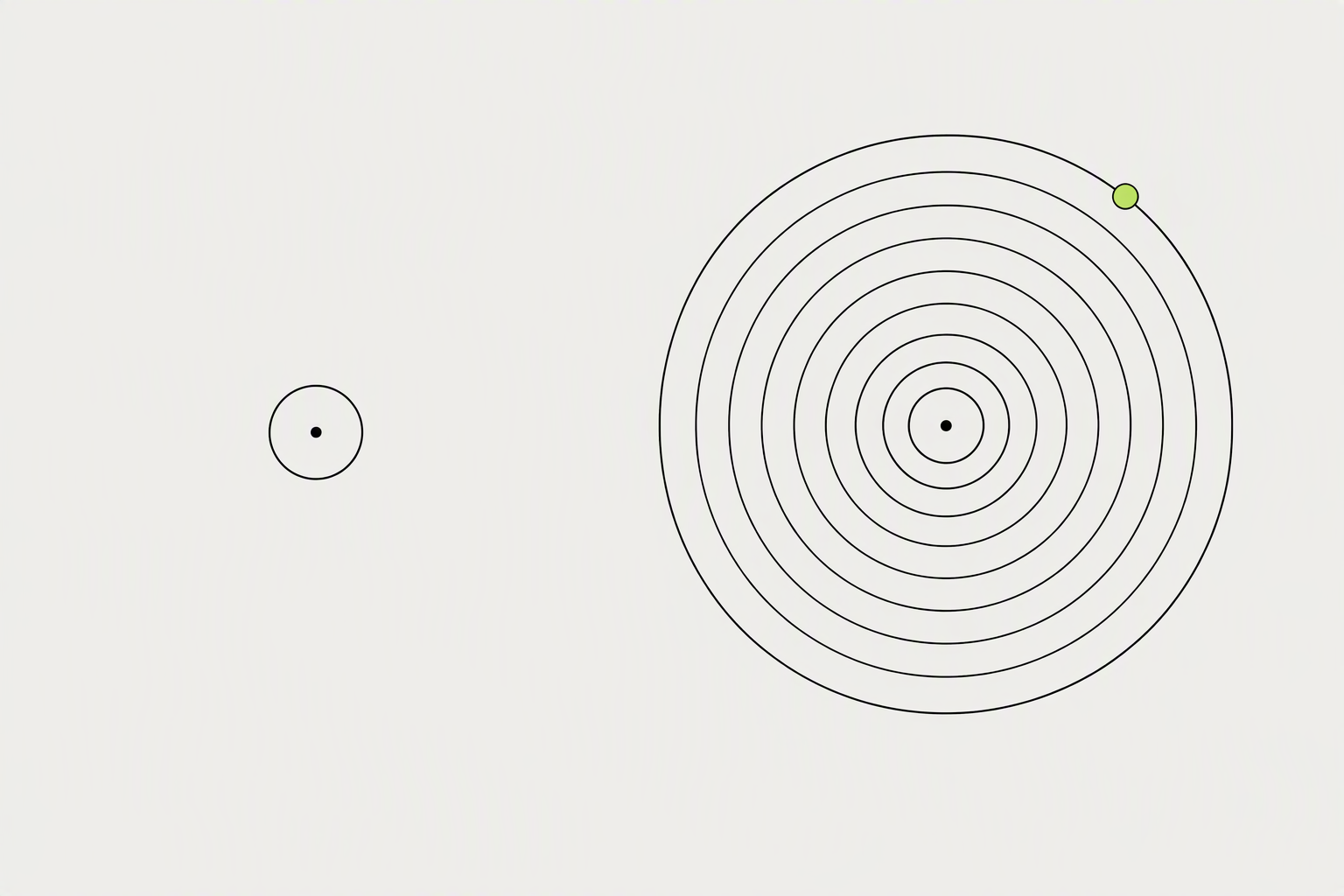
When someone restacks your post, it can appear in the Home feed of their subscribers and followers. The Substack Notes algorithm prioritizes engagement signals, particularly comments and restacks over simple likes. A Note with 20 comments reaches more people than a Note with 200 likes and 2 comments.
Restack two or three posts a week with a real comment attached.
- First of all try to be one of the first commenters so people who look under the note are likely to see what you said.
- When you restack a writer in your niche, you're sending the algorithm a very specific message: my audience and this writer's audience have something in common.
- Restacking your own content gives an existing Note a second life in the feed.
What you can try now: 40 Substack Notes Templates That Get Replies
Once a week works, but expect the climb to 1,000 to take noticeably longer.
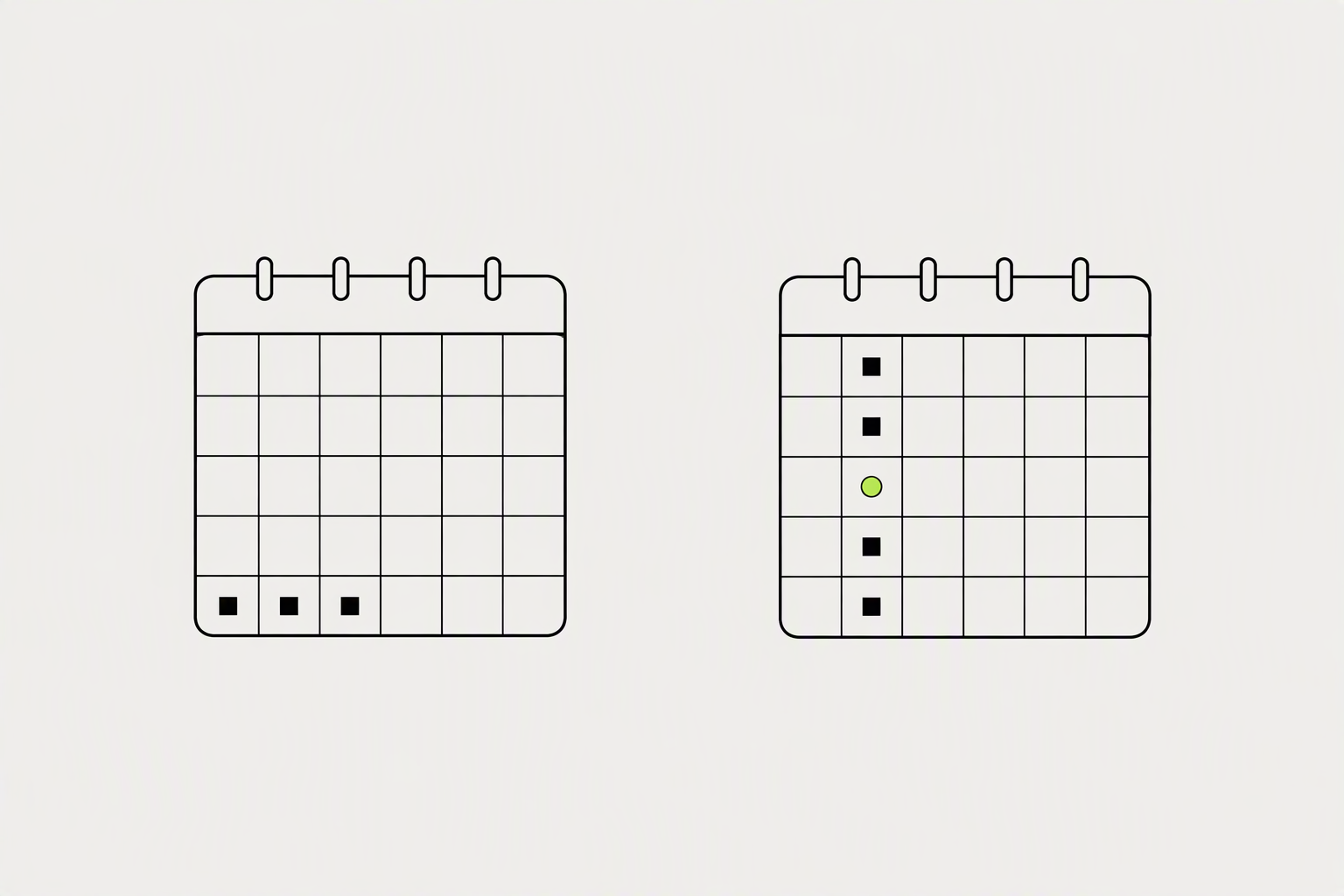
Your growth is tied to your output. When you post, it gives existing readers a reason to share, and new readers are more likely to bump into your work. Publications posting twice a week or more average about 28% more reactions per post than publications posting less than once a week (24.8 average reactions versus 19.4).
The median publication posts a little over once every two weeks.
- Pick your two days and hold them for at least two months before judging whether the frequency is working.
- Your weekly post doesn't have to be a lengthy essay, it could be a short post, link roundup, or voice note.
- Even more important than which cadence you choose, is properly communicating with your subscribers how often they can expect to hear from you.
What you can try now: Substack Content Calendar, Substackr - Free Essay Ideas & Newsletter Audit for Substack Writers
Every newsletter you send contains at least one insight worth sharing on social media.
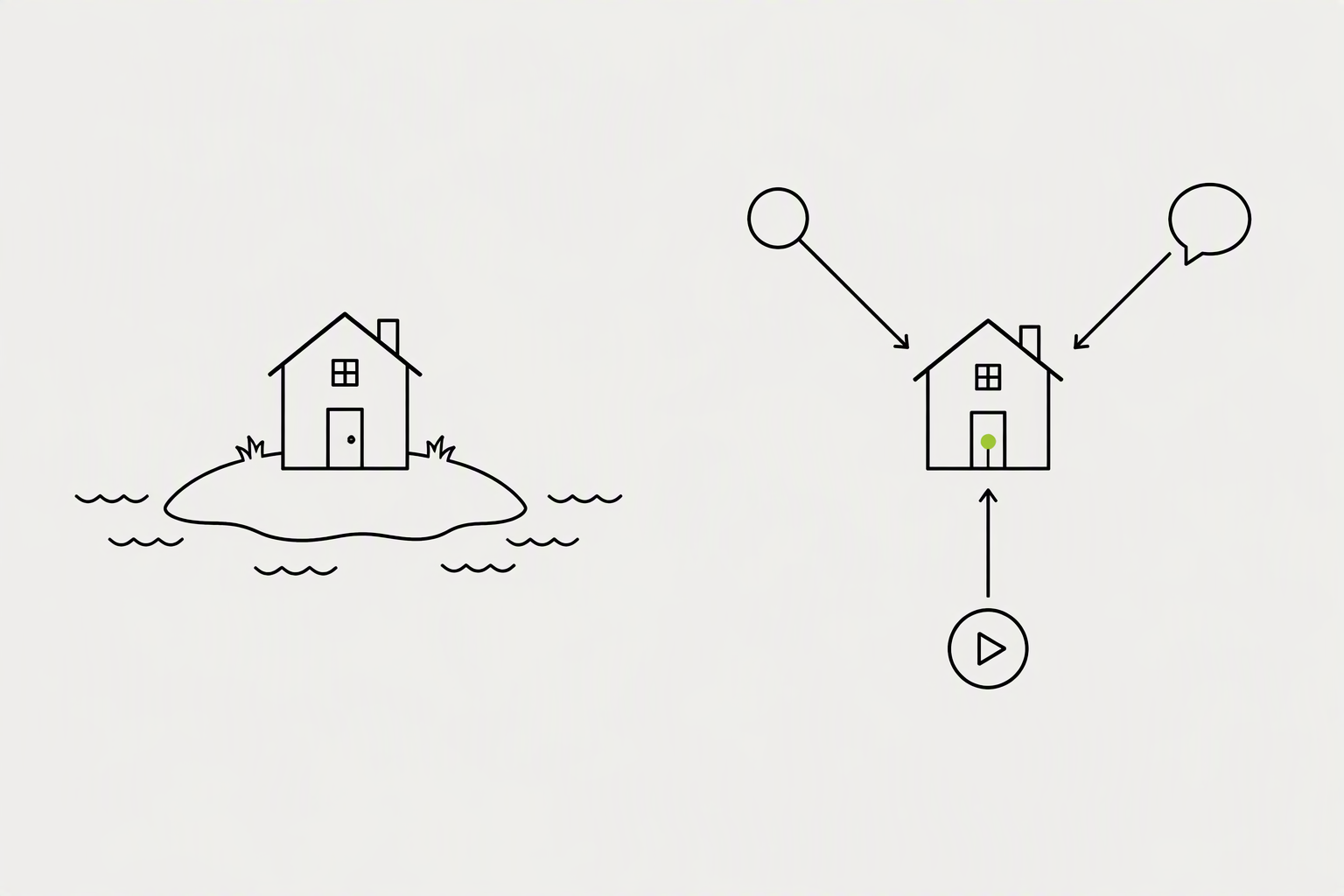
Repurposing newsletter content as LinkedIn posts, Twitter threads, or short-form video creates subscriber acquisition that compounds with each issue published. Substack posts rank in search engines. A post written six months ago that ranks for a relevant query sends new subscribers every week indefinitely.
Expect to wait three to six months before seeing significant organic traffic from search engines.
- After sending your newsletter, pull the single most compelling insight or section
- Substack lets your post carry two titles: the one subscribers see in email, and a separate SEO title shown to Google.
- Keep the SEO title under 60 characters so it displays in full.
What you can try now: Free Substack to Social Media Post Repurposer, Substack SEO Checker
The average Substack free to paid conversion rate is around 3%
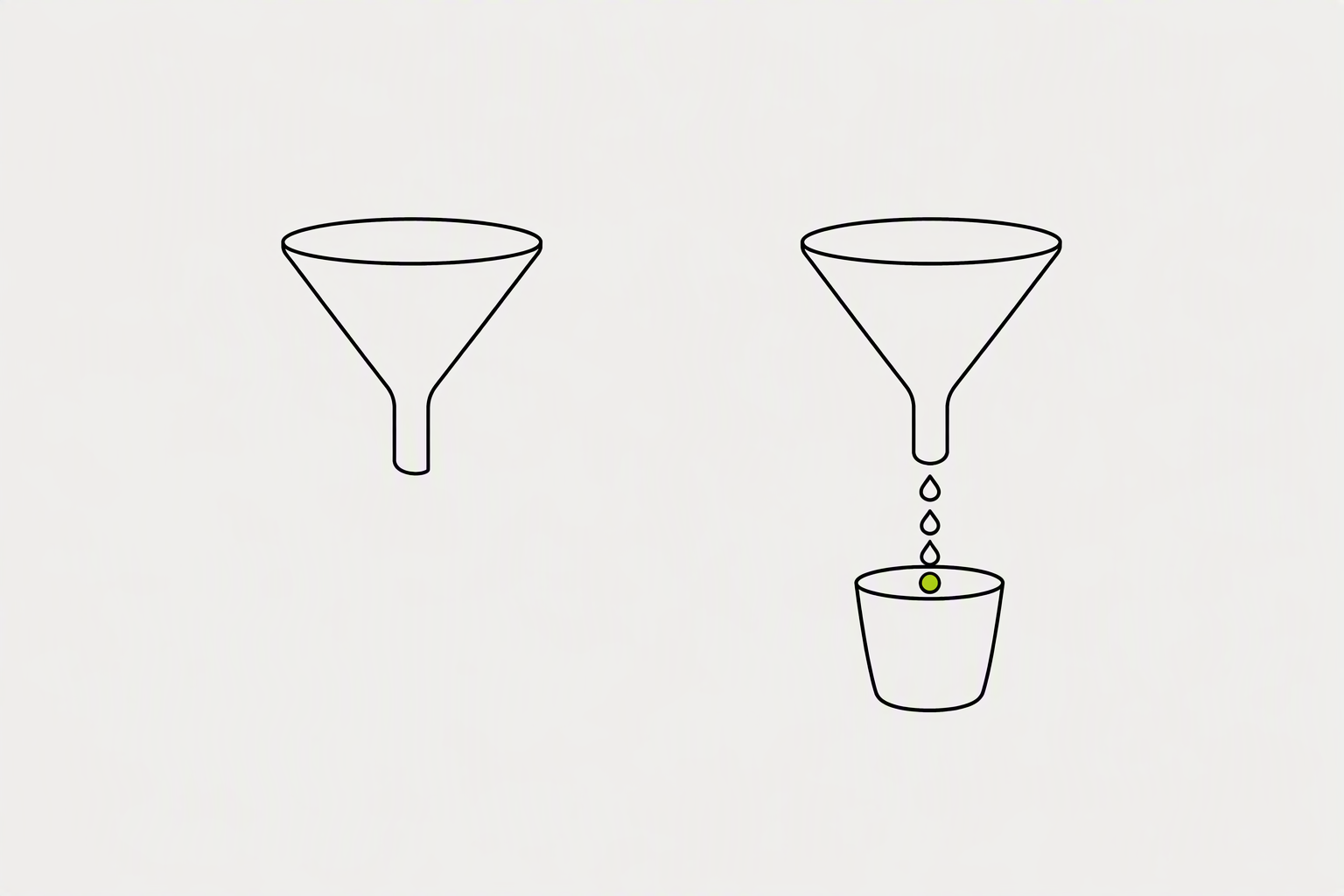
Give the WHAT and the WHY for free, paywall the HOW. The conversion moment usually happens after a reader has been subscribed for four to eight weeks and has read three or more articles. Going from 2% to 5% conversion more than doubled revenue.
For small to medium lists (from about 100 up to several thousand subscribers), the conversion rate from free to paid is typically in the 1-3% range.
- Turning on paid is not the same as launching your paid tier.
- Always offer a discount on annual plans (e.g., $8/month vs $80/year) to lock in lower churn and upfront cash flow.
- Founding tiers raise your average revenue per subscriber without adding a single post to your workload.
What you can try now: Substack Revenue Calculator, Substack Pricing Calculator
The largest traffic source may not produce the most subscribers.

The Growth page shows your Substack's growth over time by connecting subscriber spikes to when you post and comparing sources side by side to see which channels drive growth. Traffic asks where recorded visits came from. Subscriber attribution asks which source or content was credited when somebody joined.
A 2-5% weekly growth rate is healthy for early-stage newsletters.
- If your open rates are below 40%, test different subject line styles, send times, or posting frequency.
- Conversion tells you how many readers are taking that leap from free to Paid.
- Retention tells you how many stay when it's time to renew.
What you can try now: Substack UTM Builder, Newsletter Open Rate Calculator: Opens vs Delivered, Substack Paid Conversion Calculator
The first 1,000 subscribers is achieved by doing things that don't scale.

Your first 100 subscribers come from three places: your existing network (friends, email list, social followers), cross-promotion with other Substack writers (Recommendations feature), and Substack's internal discovery tools (Notes, leaderboards, Explore page). The personal-network phase front-loads the count, and the Notes-plus-recommendations phase does the compounding.
For a new publication with no outside audience, 90 days to reach 100 subscribers is an honest target.
- Write down fifty names.
- A week later, follow up once with a single line to anyone who didn't respond.
- The better target is writers with somewhere between 500 and 10,000 subscribers in a topic adjacent to yours
What you can try now: Hot Checklist: Attract Your Next 100 Substack Subscribers Fast, Your Free Substack Launch Checklist
The median newsletter takes 24-36 months to reach 10,000 active subscribers

If you're starting from zero, getting to 1,000 subscribers will take you somewhere between 12 to 16 months of consistent work. Below a few hundred subscribers, almost nothing compounds on its own
Don't evaluate a Substack's growth week to week for the first three months.
- Stage 1 - Foundation Building (6-12 months) 0-3 new subscribers a day, 0-5 paid subscribers total.
- Stage 2 - Acceleration (3-6 months) 4-10 new subscribers a day, 0-10 paid subscribers.
- Stage 3 - Exponential Growth Growth accelerates sharply, with dramatic spikes in free subscribers
What you can try now: Substack Subscriber Goal Calculator, Newsletter Goal Timeline Calculator