








How to Go Viral on Instagram: The Complete Guide (You Don't Need 100K Followers)
Hooks, shares, numbers, timing and a five-step system for going viral on Instagram, even with a small account.
Table of contents
An Instagram post goes viral when it has a hook, a reason to be shared and a strong start, and you can repeat all three with a five-step system. You don't need 100K followers for this, because Reels are shown to people who don't follow you yet. The sections below cover the hook, the reason to share, numbers and visuals, timing, the right kind of reach and how to study winners.
We write this from daily practice. We have been growing accounts on social networks for more than 10 years, have reached more than 10 billion people in total, run almost a billion followers across our accounts and publish more than 10,000 posts a day. More than 100,000 likes, comments and reactions pass through those accounts every month, so we see what holds up and what fades.
Each section ends with one step you can do the same day. Where we have a free tool for that step, the link is right there.
Reels show your video to people who don't follow you, so a small account can get big reach.
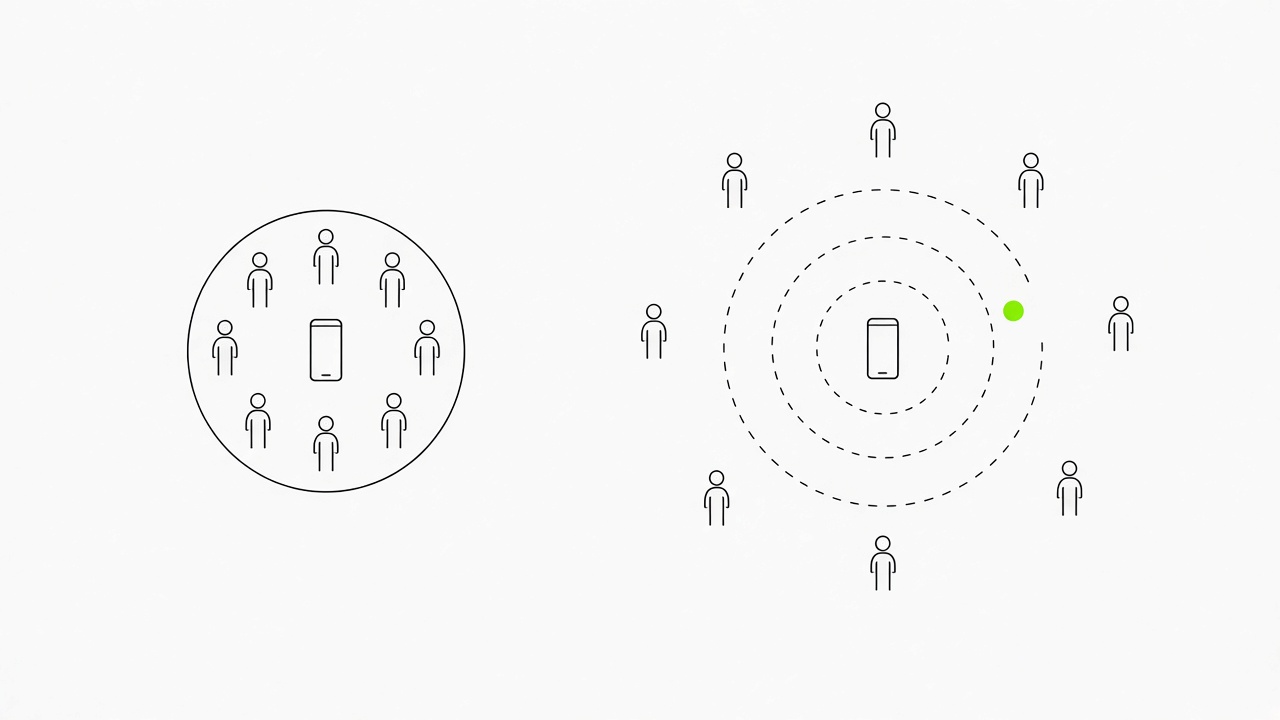
A post goes viral when likes, comments, shares and saves push it to a large audience outside your followers. Reels are the format that shows videos to new people, so account size sets no ceiling on reach. Instagram has no fixed number of views that counts as viral, and a post can take off within hours or pick up speed over several days.
What this means for any account
- Reach comes from reactions to the post, so a small account with a strong Reel can beat a large account with a weak one.
- Nobody publishes a views threshold, which means your own average is the only useful benchmark.
- A slow start is not a verdict. Some posts climb for days, so check a Reel again after a few days before you call it a miss.
- Reels are the first place to try, because the people they reach are mostly strangers.
What to do now: Take your last five Reels and compare their views with your follower count in our Instagram Reels Views Calculator, then mark the Reel that reached furthest beyond your followers.
The first three seconds decide whether anyone watches the rest.
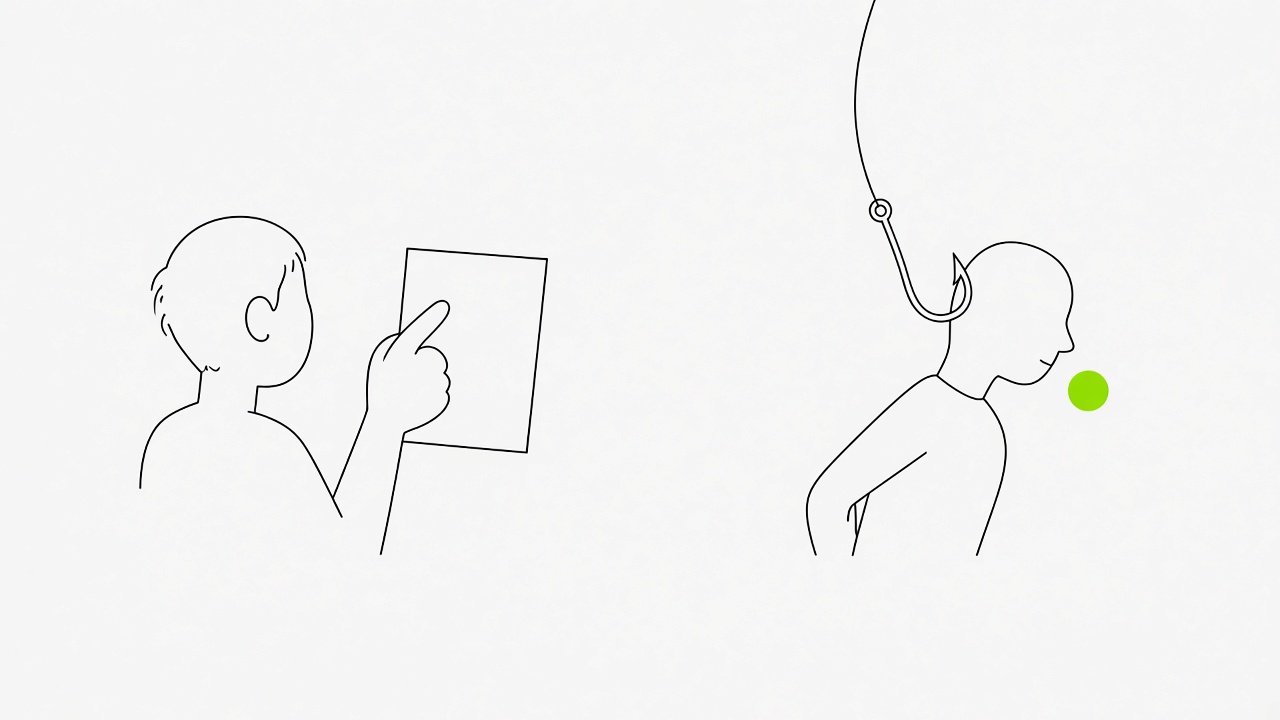
The hook is what a viewer sees and hears in the first seconds, and it decides if the rest gets watched. A good hook creates curiosity, challenges an assumption, shows something unexpected or promises information people want. A weak hook names the topic and a strong hook gives a reason to stay.
Five hook styles to test
- Curiosity: "Nobody is talking about what's happening with Reels captions."
- Contrarian: "Most people grow on Instagram the opposite way."
- Numbers: "I analyzed 100 viral Reels. Here's what they had in common."
- Story: "Six months ago, I had no idea what I was doing."
- Direct value: "Here are 7 free websites that save you hours every week."
Compare "How to grow on Instagram" with "Most people grow on Instagram the opposite way". Both cover the same topic, and only the second one makes a stranger keep watching. The hook should make the value of the post obvious at once, so skip any trick that promises something the post doesn't deliver.
What to do now: Write five hooks for your next Reel in our Instagram hook generator and keep the one you would stop for yourself.
People share a post when it says something about them.

People share content because of how it makes them feel or what sharing it says about them, and information alone is rarely enough. Shares and saves are the reactions that carry a post to new people, so write for the person who will forward it. A post that gives someone a reason to send it to a friend gets a second audience.
Six reasons people pass a post along
- It makes them look knowledgeable.
- It describes something they believe, in words they couldn't find.
- It surprises them.
- It makes them laugh.
- It teaches them something useful they want to keep.
- It starts a conversation they want others in.
"Useful AI tools" is easy to scroll past. "5 free tools that replace hours of work every week" gives people something to save and send in a direct message. Before you publish, name the one reason on this list that fits your post, and rewrite the post if you can't.
What to do now: Open your three best-saved posts, find which reason from the list explains each one and write that reason into the brief for your next post.
A specific number makes an ordinary post worth stopping for.
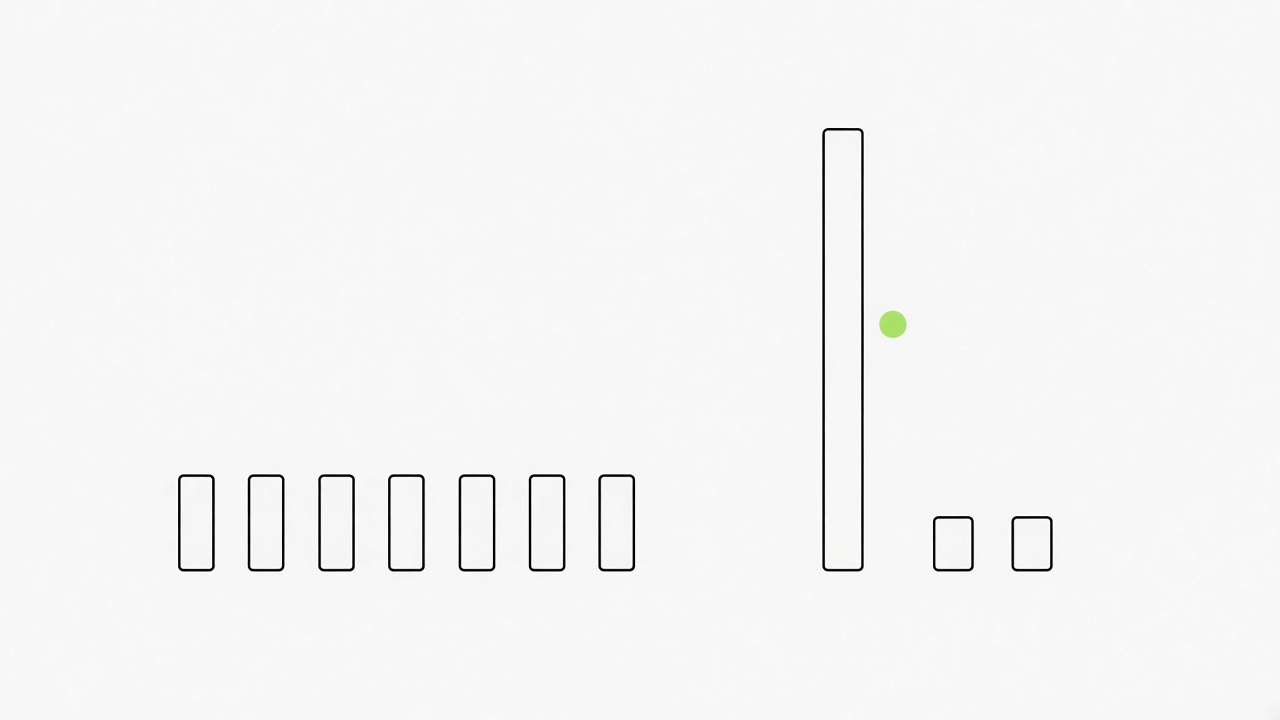
A concrete number gives people something to process, so a plain statement becomes a reaction. "An expensive computer was delivered" is forgettable, and a number attached to it makes people ask whether it is real. The reaction "no way, that can't be true" tells you the angle works.
Where to look for numbers
- Unexpected statistics that contradict what people assume.
- Huge differences in scale, such as "Company A makes 10 million a year, Company B makes 10 billion".
- Revenue comparisons between companies people know.
- Historical records and percentage changes.
- Odd sums attached to ordinary things.
Check each number against its source before you post it, because one wrong figure in the comments ends the conversation. Put the number in the first frame of a Reel or on the first slide, where it works as part of the hook.
What to do now: Put your best number in the first frame of the next Reel and run the video through our Instagram Reels Safe Zone Checker so the buttons and caption don't cover it.
Pick the format that matches the information, then keep the visual clear in one glance.

Each format has a job, and the information should choose it. Comparisons make people pick a side, lists are easy to save, infographics turn complicated data into something readable in seconds, personal stories connect faster than general advice, and questions start debates. Carousels suit teaching, because each slide carries one step.
How to build the visual
- Use a screenshot, chart, before-and-after pair or short video that gets to the idea in the first second.
- Keep text inside the safe zone, so the interface doesn't hide it and the grid crop doesn't cut it.
- Add text on screen to Reels, because many people watch without sound.
- Let the media stop the scroll and let the caption say why it matters.
- Use a few relevant hashtags for context, and skip long lists of them.
A chart that shows a company's growth in one image beats a paragraph that describes it. If a visual needs 30 seconds of study, it isn't finished.
What to do now: Turn your most useful list post into a carousel with one step per slide in our Instagram carousel maker and compare its saves with the original.
Each type of content earns a different reaction, so ask for the one you want.
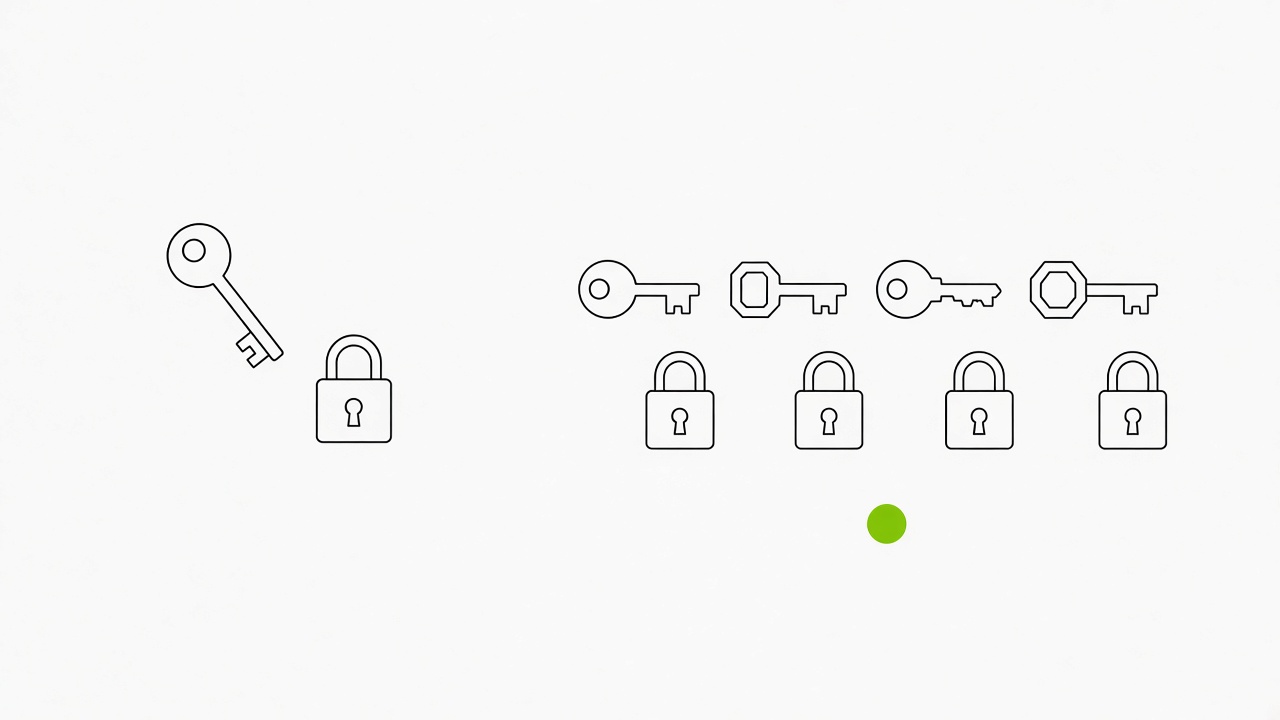
Content type predicts the reaction, so choose the reaction first and the type second. Facts earn reposts, useful guides earn bookmarks, controversial opinions earn replies, memes earn likes, questions earn conversation, infographics earn saves and personal stories earn replies with other people's own experience. Don't force reactions by begging for them. Give people a specific reason to react.
Reaction map
- Surprising fact: reposts and shares.
- Useful guide or checklist: saves.
- Controversial opinion: replies.
- Meme: likes and reposts.
- Question or debate: comments.
- Infographic: saves and shares.
- Personal story: replies that tell a story back.
Replace a closing "Thoughts" prompt with a request people can answer in one line, such as "Name the brand you expect to be bigger in five years". A specific request gives people a real conversation to join.
What to do now: Pick the reaction you want from the next post, match it to a type on this list and measure that reaction with our Instagram Save Rate Calculator once the post is a day old.
Timing works as an angle, and the first hour after posting sets the start.
Being early with a news item or a release helps, and a fresh angle keeps people reading. Don't repeat a headline everyone has already seen. When a big game launches, break down its budget, sales records or player numbers and compare them with earlier releases. The same goes for trending sounds and challenges: join them with something of your own.
How to set the time
- Find your audience's active hours in your own Insights and treat general studies as a rough guide.
- Publish when your own audience is online, and check the same hours again after a month.
- Post yourself, from your phone, because platforms are fighting autoposting and AI slop and posts from posting tools often lose reach.
- Use a trend only if you can add an angle nobody has posted yet.
In our experience the first hour after publishing matters most: get as many reactions as you can in the first 30 to 60 minutes. Ask colleagues, friends and relatives you can reach. If you have nobody to ask, a service that delivers real reactions of good quality fills the gap. Our free scheduler reminds you at the right time, and you publish from your phone yourself.
What to do now: Open your Insights, note the two busiest hours and check them against the best time to post on Instagram tool before you set your next reminder.
Followers who fit your topic are worth more than raw views.
A post with 50,000 views that brings 500 relevant followers can be worth more than a post with 500,000 views that brings nobody. Views show how far a post traveled, and the people who stay show whether it reached the right audience. Judge a post by what it left behind.
Numbers to read after each post
- Impressions, to see how far the post traveled.
- Reaction rate, to see how many of those people responded.
- Shares, replies and saves, to see which reaction the post earned.
- Profile visits, to see who got curious about you.
- New followers, to see who stayed.
A big post with zero followers is a good result for the post and a weak result for the account. Read the profile visits and new followers next to the views before you decide which post to repeat.
What to do now: Calculate the reaction rate of your last ten posts in our Instagram Engagement Rate Calculator and compare the three lowest with the three highest.
A post keeps spreading only when you stay in the conversation after it goes live.
Publishing and leaving wastes the days when a post has the most attention. Reply to real comments, join conversations in your niche and leave useful ideas under larger accounts in your field. A relevant network of creators reaches people who would never find your account alone.
What to do after you publish
- Reply to genuine comments while the post is still moving.
- Share a useful idea under larger accounts in your niche.
- Turn a successful post into a longer one, such as a carousel from a Reel.
- Return to a topic when something new happens, with a new angle.
- Build relationships with other creators, and use Instagram Collab so a post appears on two accounts and reaches both audiences.
After a post peaks, some followers drop away, which is normal. Keep answering comments and publish the next post on the same topic while people are still looking at your account.
What to do now: Write down three creators in your niche, reply to one of their recent posts with a useful idea and propose a Collab to one of them.
A five-step system replaces guessing and makes the next post repeatable.

A repeatable process beats a lucky post, and in our experience good content is the number one thing that grows any account and any reactions on it. The system has five steps: research, angle, creation, publishing and review. Six habits break it. People copy a viral post word for word, write for everyone, publish without a hook, ask for likes and reposts, ignore analytics and give up after one miss.
Five steps, in order
- Research: study your niche and find outliers, meaning posts with unusually high reactions, topics people keep discussing and questions they repeat. Take apart each winner by its hook, format, visual, timing and reason to share.
- Angle: finish the sentence "What I can say about this that nobody has said yet is". You can use another creator's topic without copying their post.
- Create: write several hooks, choose the strongest format and add supporting information and a visual.
- Publish: run an eight-question check before you post. The first line creates curiosity, the main idea is clear, the post offers something interesting or useful, a visual helps where one would, the facts are accurate, every sentence is needed, there is a reason to share, save or reply, and the post fits your audience.
- Review: read impressions, reaction rate, shares, replies, saves, profile visits and new followers, then repeat what worked and change what didn't.
What to do now: Take one winning post from your niche, pull out its hook, format, visual, timing and reason to share, and generate angles for your own version in our Instagram post ideas generator.
Short version: A post goes viral when it opens with a hook, gives people a reason to share and gets a strong start in the first hour. Specific numbers, a clear visual and a deliberate reaction make that start stronger, and followers who fit your topic matter more than views. Pick one post from your niche today, take apart its hook, format and timing and write your own version with a new angle.
FAQ
How many views make a Reel viral?
There is no fixed number. A Reel counts as viral when likes, comments, shares and saves carry it to a large audience well beyond your followers, so measure it against your own average views. In our experience, the first hour of reactions gives a Reel its start.
How long does it take to go viral on Instagram?
It varies from a few hours to several days. Some posts take off right after publishing, and others pick up speed as more people share them, so check a post again after a few days before you judge it.
Can a small account go viral?
Yes. Instagram shows content to people who don't follow you, so a Reel from a small account can reach a large audience. The hook and the reason to share matter more than the follower count.
Does getting likes and comments help an Instagram post go viral?
Yes, when it is done right, and upvote.club is the one that does it right. A first hour with real reactions gives a post a strong start, and that start gives the post momentum. Start free on upvote.club.
What do more likes and comments give an account?
Growth, as long as you pick the right tool. Posts that start with real reactions reach more people, and more people means more profile visits and new followers. Start free on upvote.club.

Written by
The Upvote.club team builds free social media tools and runs a community of real people who support each other’s posts on 19 social networks.