








How to Make Money as an Instagram Creator in the AI Niche with Claude (Full Course)
A full course for AI creators on Instagram: niche, angle, content and a deal system where you approve everything.
Table of contents
An AI creator earns on Instagram when the audience can pay, the angle is one you can teach in simple words, and the work around every deal runs through a system where a person approves everything that goes out. The money in this niche sits in the follow-up work: the pitch, the checklist, the invoice. Claude prepares all of it, and you stay the one who publishes and signs off.
We write this from daily practice. We have been growing accounts on social networks for more than 10 years, have built more than 10 billion in reach, and run almost a billion followers across our accounts, which publish more than 10,000 posts a day. More than 100,000 likes and comments pass through those accounts every month, so we see which content holds attention and which gets scrolled past.
The sections follow the money: where creators lose it, which niche and angle pay, how each post and card is made, and how an agent handles deals, pitches, the morning brief and invoices. The method comes from a full course by an AI creator who runs about 30 sponsor deals a month, rewritten here for Instagram. Each section ends with one step you can do the same day.
Creators lose money in three places: an audience that never pays, posts nobody reads, and attention that never becomes income.

Most AI creators lose money in one of these three places, and each one has its own fix. The first is the audience: a large account built on topics that attract no paying clients brings no offers. The second is the content: a post nobody stops to read gives the account nothing to sell. The third is follow-through: attention arrives and nobody turns it into a deal, an invoice or a reply.
Three leaks and where each one closes
- Wrong audience: followers who like the posts but would never hire you, join a program or pay for a guide. This closes in the niche and angle sections below.
- Unread posts: people scroll past in half a second and the account learns nothing from them. This closes with a one-line reason to care in every post.
- Unconverted attention: a sponsor email sits unanswered and an invoice is never sent. This closes with a system around deals.
- Instagram does not pay for likes or views directly, so attention counts as income only when it becomes one of the streams in the next section.
What to do now: Check the reaction rate of your last 10 posts in our Instagram Engagement Rate Calculator and label each of the three lowest posts with the leak it belongs to.
Several income streams together pay better than any single one.
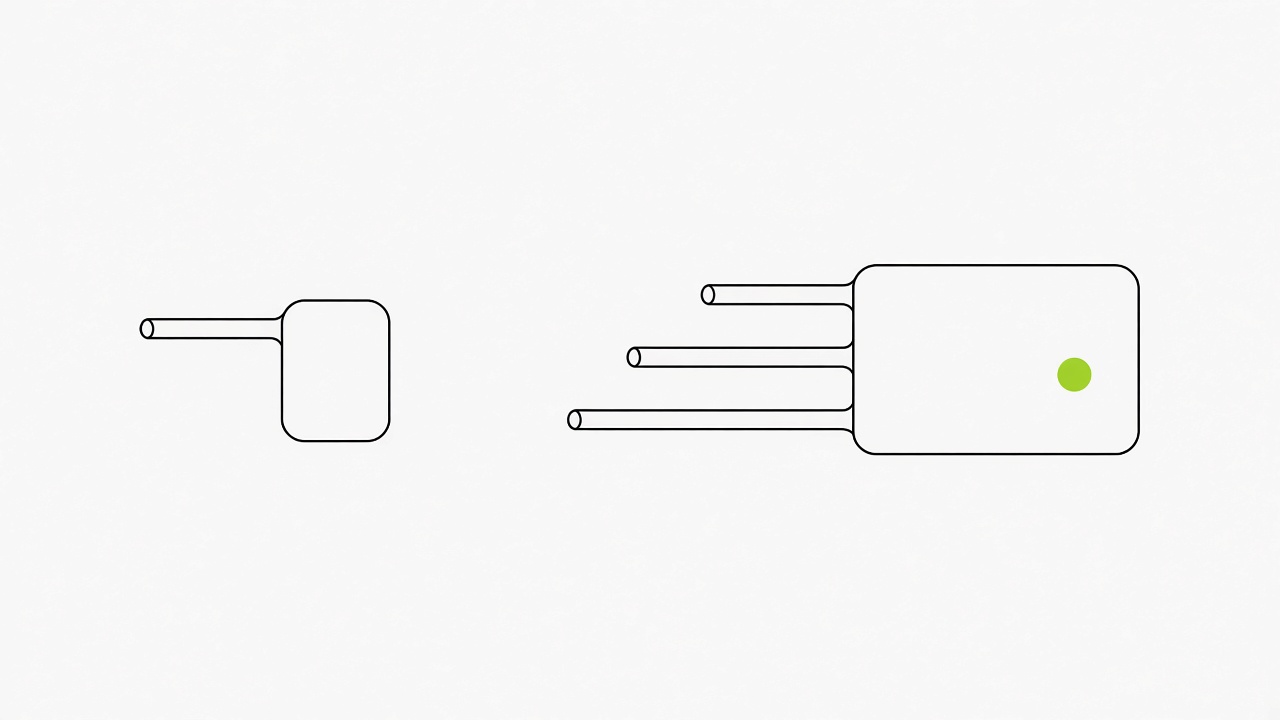
An Instagram creator earns from sponsored posts, creator programs, own products and inbound work, and the strongest month comes from combining two or three. Each stream has its own timing, briefs and pitches, so relying on one leaves gaps whenever that one goes quiet.
Four streams and what each one asks of you
- Sponsored posts and brand partnerships: a brief, a publish window and a draft deadline for every deal, with payment after the post goes live.
- Affiliate links and creator programs: a commission or bonus after your audience acts, with no minimum audience size for affiliate links. Some programs depend on region and account size, so check each one.
- Own products and paid subscriptions: guides, templates and prompt packs that take longer to build and belong to you.
- Inbound work: UGC for brands, services and feature requests that arrive in DMs and email, each needing its own reply and pitch.
What to do now: Open our Instagram Money Calculator with your account's numbers and write down the two streams you will build first.
A niche whose audience can pay beats a bigger audience that cannot.
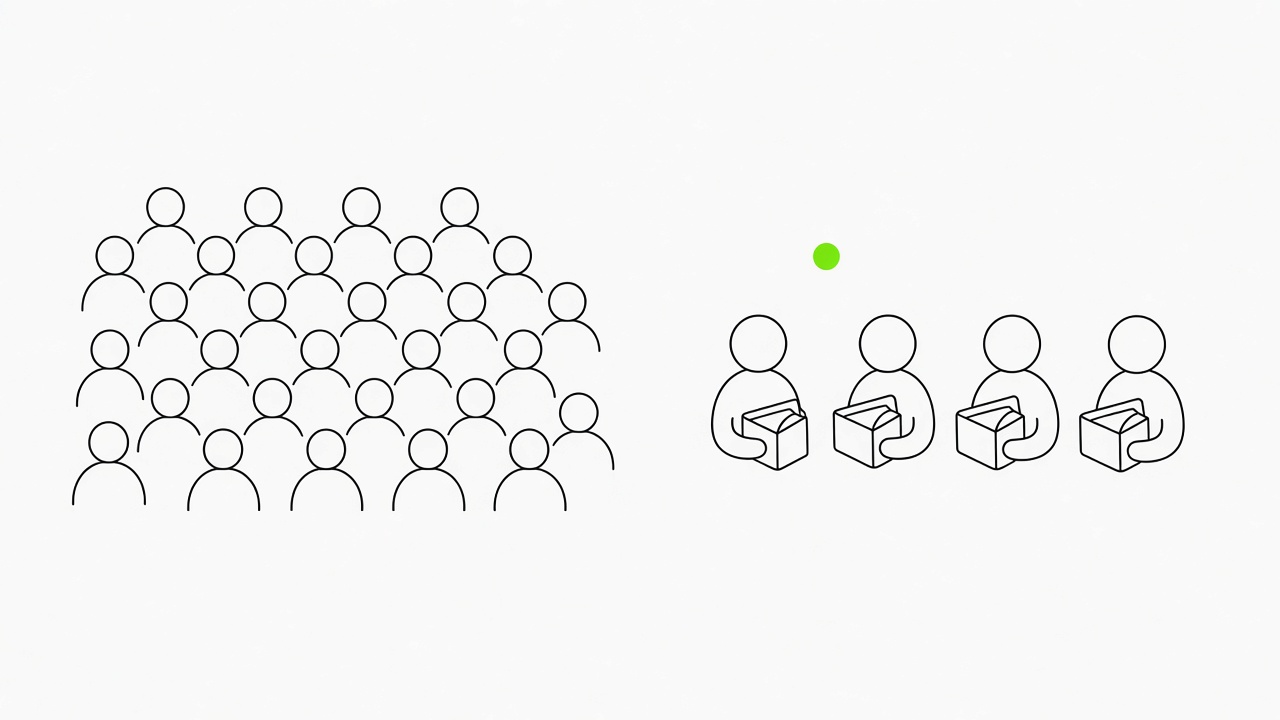
The same work earns different amounts in different niches. AI, business, marketing and tech sit at the top because people there have money or are trying to make it, and they pay for tools, guides and shortcuts. Plain version: pick the audience before you pick the topic.
Three tiers of niches and one test for your audience
- High value: AI, business, marketing, tech and trading. These audiences pay for shortcuts.
- Middle: fitness, health and design. They work, but you need a bigger audience for the same income.
- Low: entertainment, sports and memes. Huge reach, and very hard to sell anything.
- The test: your audience has to be your paying client. If you sell to founders, post for founders. If brands pay you to reach builders, post for builders. 1,000 followers who match your client beat 10,000 who do not.
AI is at the top of that list, and everyone knows it, which is why the next section is about your angle.
What to do now: Run your account through our Instagram Profile Analyzer and read your last posts as a paying client would: write down whether they speak to the person who pays you.
Your angle sits where what you know, what you have done and what you can explain simply overlap.

You do not need to be the world's top expert, only a few steps ahead of the person reading. Your angle is the overlap of three circles, and a niche as crowded as AI needs one to stand out.
The three circles and one working example
- What you know: the tools, the topics, the vocabulary you already handle without looking things up.
- What you have done: real tests, real results, real mistakes you can show.
- What you can teach simply: a step a beginner copies and gets the same result.
- Example from the course author: test the new AI tools in the week they launch and turn each one into a step-by-step guide people can copy. That is a niche, an angle and a content format in one sentence.
What to do now: Write your angle as one sentence from the three circles, then turn it into a bio with our Instagram bio generator.
Every post earns its place by answering why anyone should care in one line.
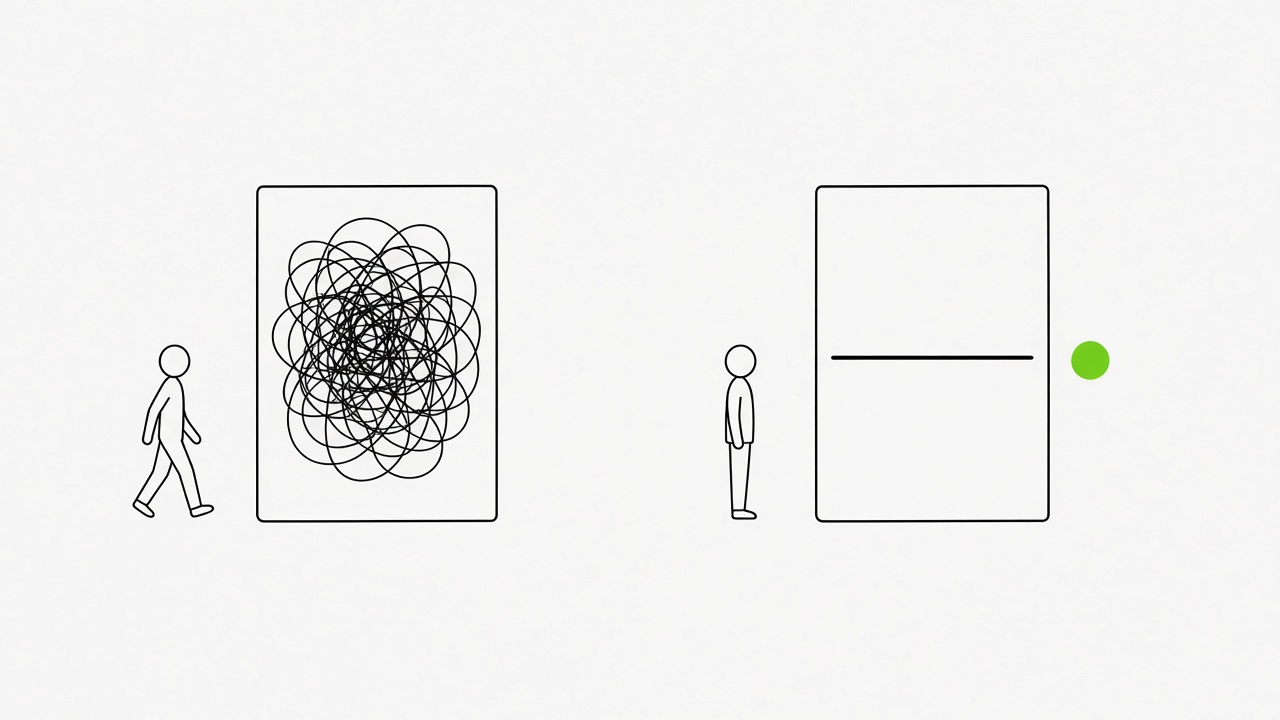
A post goes out only when you can write the reason to care in one line. If the line does not come, rewrite the post or skip it. In our experience, good content grows any account and any stream of likes and comments before anything else does.
How to write the post so a beginner reads to the end
- Write for beginners: most of any audience is new to the topic, and posts written for them keep their reach.
- Use short lines with one idea per line.
- Put a ready prompt in every section, so a reader copies it and tests it the same day. People stop for a prompt they can use.
- Use this prompt as the gate: "Here is my draft: {draft}. In one line, say why a beginner in AI should care. If you cannot, rewrite the first line until you can."
What to do now: Take the first line of your next draft into our Instagram hook generator and keep the version that gives a beginner a reason to care.
Cards and short demos built with Claude carry a post better than plain text.
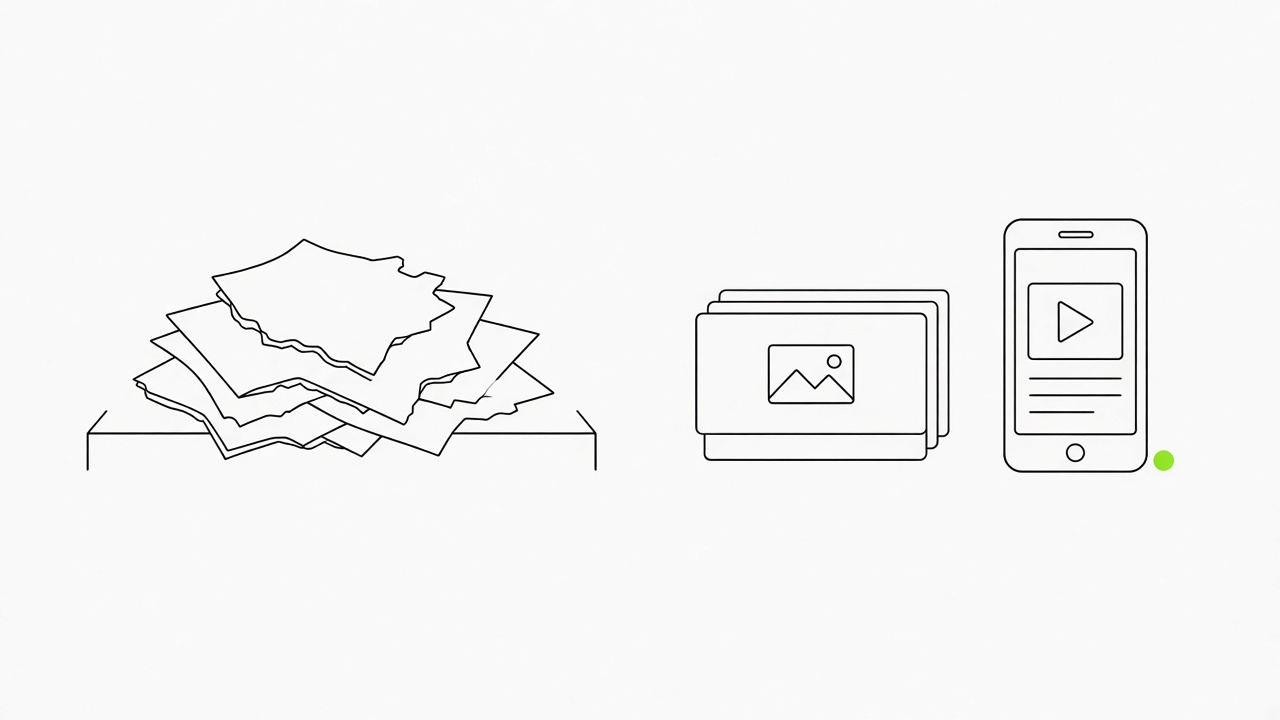
Claude builds each card as an HTML page, you take a screenshot, and the screenshot is the post. Posts with images and video do better than plain text, and a rotation of formats keeps the audience from tuning out.
What a week of production looks like
- Cards: ask Claude for one HTML page per card, such as a light background, a large headline and three short lines, open it in the browser and screenshot it at the size you post.
- Demos: short demo videos come from the same route. Claude builds the frames as HTML pages and ffmpeg stitches them into a Reel.
- Rotation: one long post or carousel, a short post that links to it, quick observations, a contrarian take, a news post and Reels. The same format every day and people tune out. A month later, repost your best one with a line on why it still matters, because new followers have never seen it.
- Batching: make the week's cards in one sitting, so that posting is only publishing.
- Publishing: almost all social networks now fight autoposting and AI slop, and autoposting tools most likely cut the reach of a post a lot. We recommend posting from your own phone. We also have a free tool that reminds you when to publish.
What to do now: Ask our Instagram post ideas generator for ideas in each format of the rotation and build the first card from one of them.
A deal desk keeps sponsored posts on schedule and invoices paid.
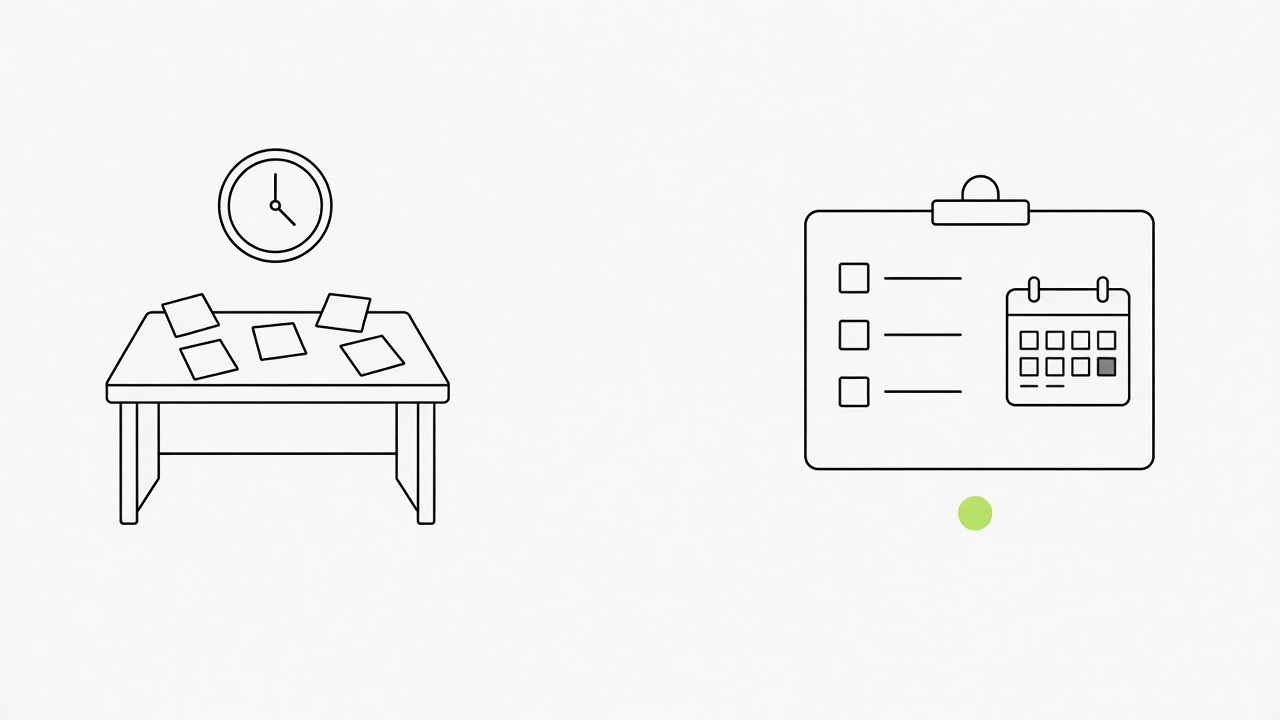
A deal desk is one place where every sponsored post has its window, tracked link, code, draft deadline, brand review, invoice and payment date, with a checklist per deal. Miss one item and you redo the post or wait weeks to get paid.
What sits in each deal's checklist
- Window, draft deadline and brand review: three dates in one row, so no deadline lives in your head.
- Tracked link and promo code: filled in before the draft is written.
- Brief rules and disclosure: the agent checks the draft against the brief before it goes out, and the post carries Instagram's paid partnership label and follows the advertising rules of your country.
- Invoice and payment date: logged when the post is booked, so the chase starts on time.
- The result for the course author, at about 30 deals a month: a note per deal worked for a handful of deals and broke down at 30, because a note reminds nothing and cannot tell that a draft breaks the brief. In the first week with a desk, about 4 hours a week came back, 3 unpaid invoices were found and 2 brief rules were caught before a draft went out.
What to do now: Check what a sponsored post of your size should earn in our Instagram Sponsorship Rate Calculator, then enter your next deal into a checklist with the fields above.
Brand pitches go to fresh AI companies and every inbound offer gets a reply you approve.

Companies that just raised money or launched have fresh marketing budgets, and they are the best first names for outbound pitches. The agent does the research and drafts the pitches, you review each one, and the same agent sorts the inbox so good offers do not get buried.
One loop going out, one loop coming in
- Outbound: each week the agent lists AI companies that raised money or launched and writes a pitch for each. In the first week the course author had 5 pitches drafted and ready for review.
- Control: start the request with "Don't contact anyone yet", so every pitch stays with you until you have read it.
- Inbound: good sponsor emails sit under spam and "quick collab" requests. The agent proposes a reply and you approve it.
- Prompt to start: "Find five AI companies that raised money or launched in the last 30 days, write a short pitch for each from my profile {handle}, and do not contact anyone."
What to do now: List five AI companies that launched this month, write the one post you would offer each, and read your first draft pitch aloud before you send it.
A morning brief and ready invoices remove the work nobody had time for.

One message every weekday morning and one invoice drafted when a post goes live cover the follow-up work that no creator has time for. Every creator in this niche has the same AI, and most use it to write faster. Plain version: the money sits in the work around the posts.
Two routines and what they replace
- Morning brief: one message each weekday with the deals due today, the drafts waiting for review and the invoices still unpaid, so nothing slips.
- Invoice: when a post goes live, the agent drafts the invoice as a PDF from the deal desk, you check it and you send it yourself.
- Approval: nothing leaves without your go-ahead, which keeps the agent a preparer and you the sender.
- The lesson from the course: the winners found the capacity to run the strategy they already had. AI is worth most as capacity for a strategy you already know.
What to do now: Pick one weekday time, ask your agent for a three-line brief of what is due, and send the first invoice yourself after you have checked it.
Small accounts and faceless accounts earn too, once they give it a year.
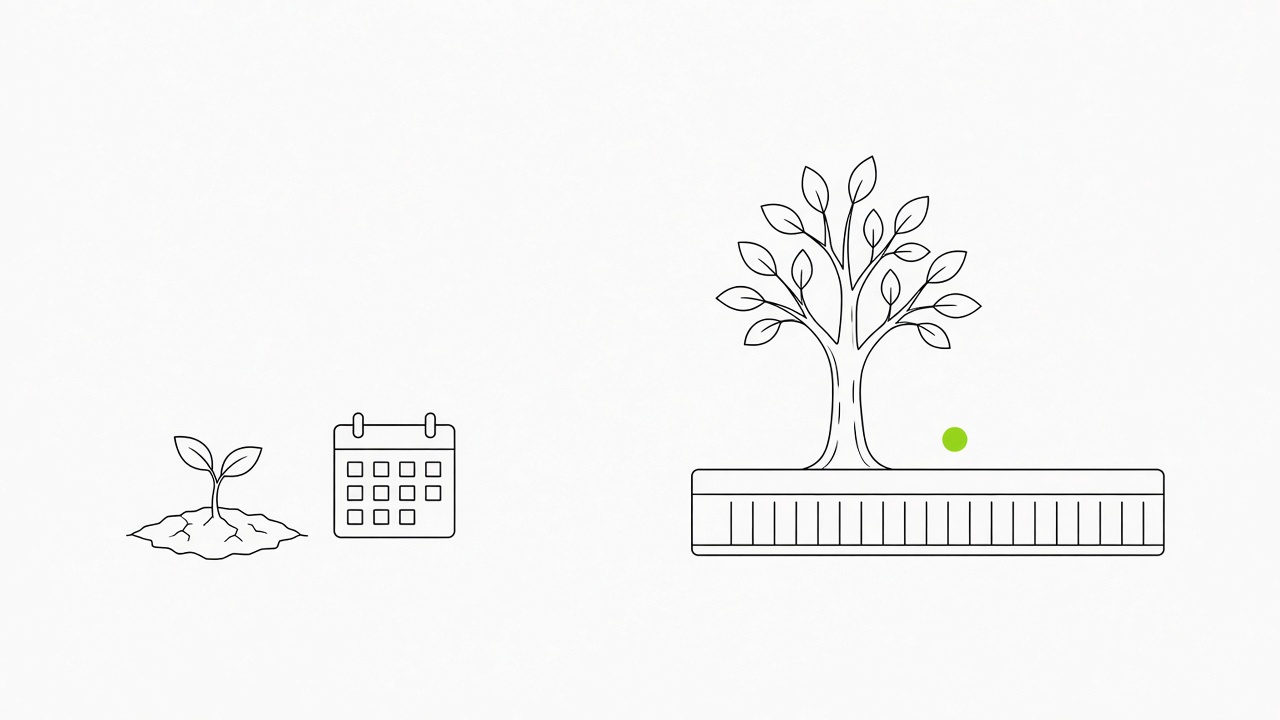
Most income methods have no minimum follower count, so a small account can start with affiliate links, an own product or inbound work. What they ask for is time: the first 6 to 12 months are slow, and most creators leave between month 3 and month 6.
What to expect in the first year
- Followers: brands read the fit of your audience and how it reacts to your posts, as well as the follower number.
- Face: a faceless account works with an AI voice and visuals, and the cards and demos from the production section need no face.
- Time: plan for a year, and judge each month by the posts you shipped and the deals you closed.
- Programs: some creator programs depend on account size and region, so treat them as a later stream.
What to do now: Enter your current followers and a realistic monthly gain into our Instagram Follower Growth Calculator and write down where you will be in 12 months.
Short version: An AI creator earns on Instagram by picking an audience that can pay, writing from an angle they can teach simply and giving every post a one-line reason to care. Deals then run through a desk, with pitches, a morning brief and invoices prepared by an agent and approved by you. Write your angle in one sentence today and check it against the two income streams you will build first.
FAQ
How many followers do I need to make money on Instagram?
There is no minimum for most methods, such as affiliate links, your own products and inbound work. Some creator programs depend on account size and region. We see this across accounts that publish more than 10,000 posts a day: reactions from the right people count for more than a large follower number.
Does Instagram pay per view?
Instagram has no fixed rate per view. Creators earn through sponsored posts, creator programs, own products and inbound work, so views matter when they lead to one of those. A Reel that reaches the right audience can bring a brand offer, and one that reaches a random audience brings nothing.
Can I make money without showing my face?
Yes, an AI voice and visuals carry a faceless account, and cards and short demos built with Claude need no face. A faceless account earns the same way: through deals, programs, products and inbound work.
Does an audience that likes and comments help creators earn?
Yes, if it is done right, and only upvote.club does it right. Brands look at how an audience reacts to posts as well as at the follower count, so likes and comments from the right people work as proof for a sponsor.
What does a growing account give a creator?
A growing account gives more reach and more offers, as long as you take the right tool for growth. More people see your posts, and sponsors and inbound requests find an account they can see growing.

Written by
The Upvote.club team builds free social media tools and runs a community of real people who support each other’s posts on 19 social networks.