

Table of Contents
- Growing on YouTube now means making videos that strangers click on and finish.
- In 2026 the average channel pulls fewer than ten percent of its views from subscriptions.
- Choosing the right YouTube niche is the most impactful decision a new creator makes.
- Before committing a year of work to a niche, run the cheapest possible validation: sit down and list one hundred specific, non-overlapping video ideas.
- A channel trailer is your fastest onboarding tool for new viewers who haven't subscribed yet.
- Show what a newcomer should watch first. Assume they're evaluating you in under 10 seconds.
- The YouTube algorithm in 2026 recommends videos by predicting viewer satisfaction.
- The Suggested feed represents approximately 55-60% of overall YouTube traffic as of early 2026, making it the primary algorithmic surface for most creators.
- The healthiest channels use Shorts to introduce and long-form to retain.
- Concrete benchmark: a healthy discovery channel in 2026 will often see Shorts driving 40-70% of new-subscriber events but only 20-40% of total watch time.
- On YouTube, the title and thumbnail decide about 90% of whether anyone clicks.
- Mobile devices cut titles off at roughly 50-60 characters depending on the screen size.
- The first 30 seconds should be the tightest part of the video.
- As a rough working benchmark, holding 70% or more at 30 seconds is healthy for long-form. Below 55% and the opening is usually mismatched with the packaging.
- Channels with a regular, predictable upload schedule see faster growth than channels that post erratically.
- If you upload more than once per week, space videos at least 3-4 days apart to avoid competing with your own content in the algorithm.
- End screens are the primary mechanism for converting single-view visitors into multi-video sessions.
- End screens can only be added to the last 5-20 seconds of a video. Your video has to be at least 25 seconds long to have an end screen at all.
- Viewers who get a personal response from a creator come back for the next video.
- A healthy community produces a 0.5-2% comment rate on average. Track this across your last 10 videos.
- The metrics that drive recommendation are click-through rate, average view duration, and session watch time.
- Before 1,000 subscribers, focus on three metrics: CTR (aim for 4-10%), average view duration (35-50% retention is strong for a new channel), and impressions.
- Your first 1,000 will come disproportionately from two or three videos.
- A rough conversion benchmark: 0.5% to 2% of viewers subscribe on a decent long-form video, and closer to 0.1% to 0.5% on Shorts.
- Most channels see meaningful growth between months 6 and 18 of consistent uploads.
- There's no fixed number, but most channels that reach 1K have published between 30 and 80 videos.
Growing on YouTube now means making videos that strangers click on and finish.
You grow on YouTube by publishing videos on topics people actually want, packaging them well enough to earn the click, holding attention long enough to satisfy viewers, and repeating what works until it compounds. Focus on packaging and retention before anything else.
In 2026 the average channel pulls fewer than ten percent of its views from subscriptions.
- Channels with a tight niche grow noticeably faster than broad ones.
- Develop a repeatable format viewers learn to expect, deliver real value every time, and the subscribes follow naturally.
- Your audience's actual behaviour - what they click on, what they watch, what makes them subscribe - is the most reliable signal available to you.
What you can try now: YouTube Content Strategy Template
Choosing the right YouTube niche is the most impactful decision a new creator makes.
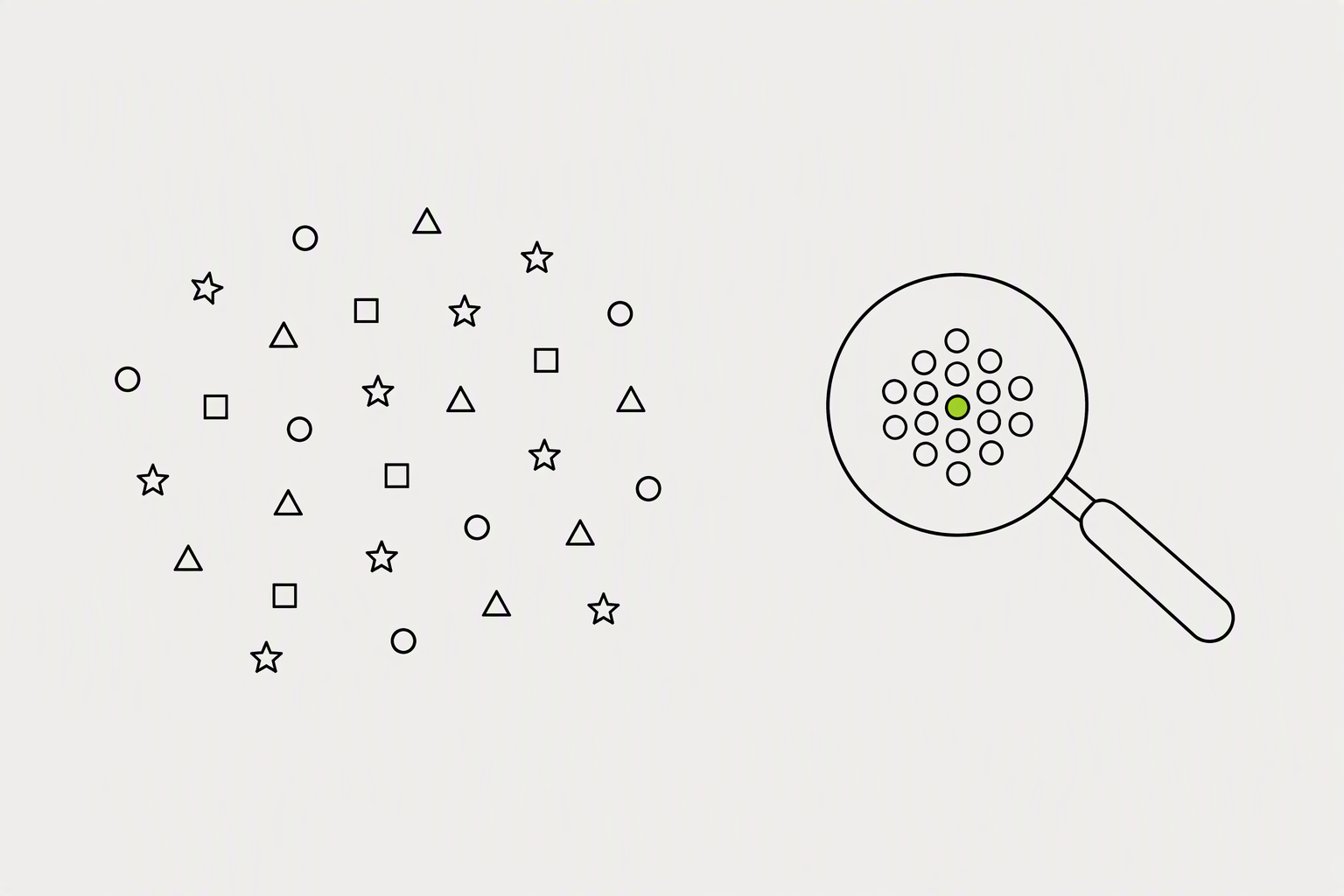
Choose a YouTube niche where three things overlap: a specific viewer with a recurring problem or interest, a topic you can produce dozens of videos about without running dry, and a point of view that makes your channel different from the ten others covering the same subject. The more specific your angle, the faster the algorithm can match you to the right audience.
Before committing a year of work to a niche, run the cheapest possible validation: sit down and list one hundred specific, non-overlapping video ideas.
- Validate demand with search autocomplete and Google Trends before filming anything.
- Start specific enough that one kind of viewer instantly knows it is for them.
- Widen later into adjacent topics the same audience already wants.
What you can try now: Free YouTube Niche Finder, Niche validation worksheet
A channel trailer is your fastest onboarding tool for new viewers who haven't subscribed yet.
A channel banner should answer, within a couple of seconds, what the channel is about and how often it posts, since that's the information a new visitor is scanning for before deciding to subscribe. An effective trailer is short, states clearly what the channel covers and how often new content arrives, and includes a direct ask to subscribe, functioning closer to a pitch than a regular video.
Show what a newcomer should watch first. Assume they're evaluating you in under 10 seconds.
- Channel trailer is set for non-subscribers (30-90 seconds, purpose-built)
- Featured video is set for returning subscribers
- Usually 4 to 6 well-ordered sections beat a long wall of them.
What you can try now: YouTube Banner Maker, YouTube Channel Audit Checklist 2026
The YouTube algorithm in 2026 recommends videos by predicting viewer satisfaction.
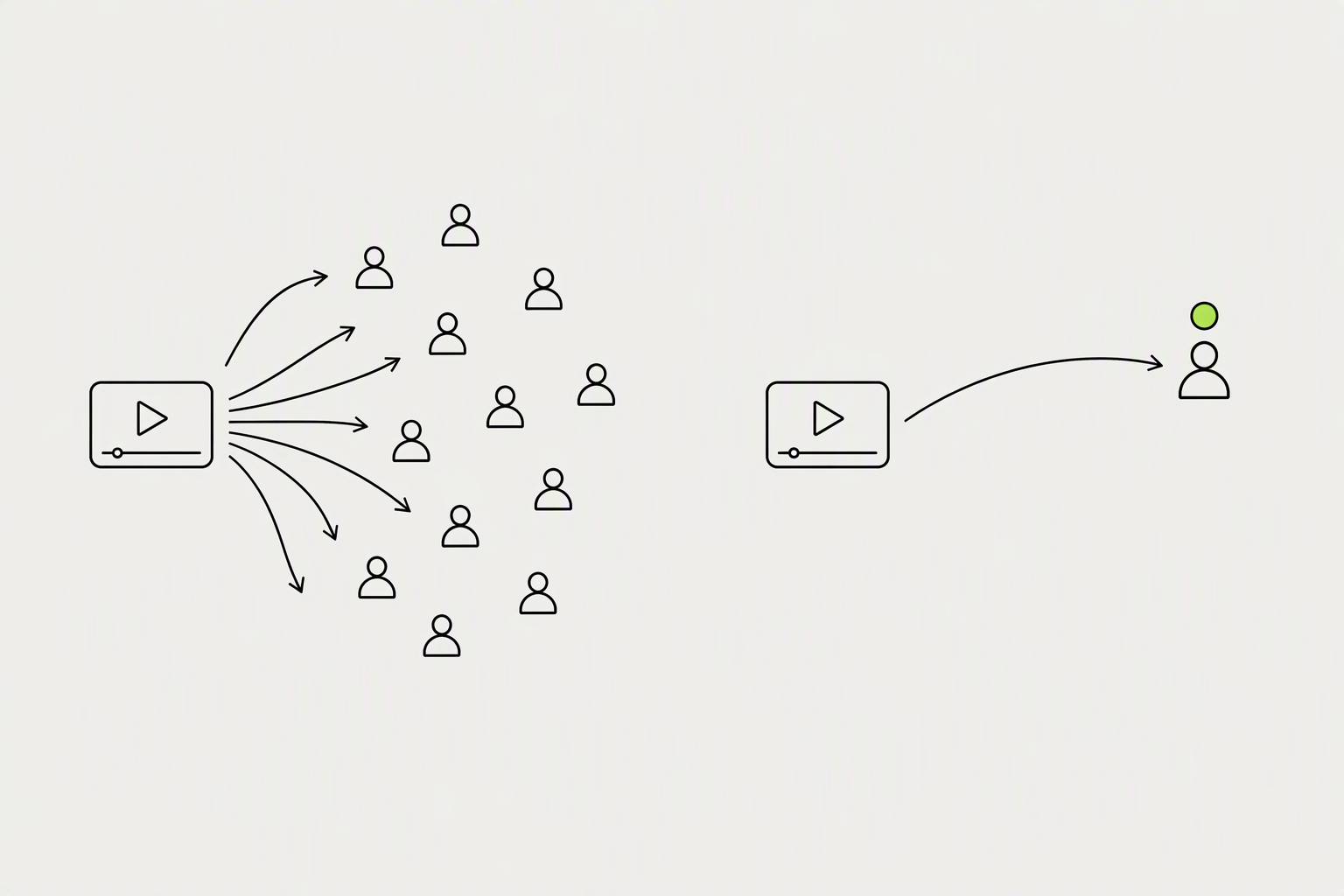
YouTube runs three separate ranking systems in 2026: Home feed (browse), Search, and Suggested videos. Satisfaction signals now outrank raw watch time. YouTube cares more about whether a viewer felt the video was worth it than how long they sat there.
The Suggested feed represents approximately 55-60% of overall YouTube traffic as of early 2026, making it the primary algorithmic surface for most creators.
- Home rewards click-through rate and watch time on new uploads, with a strong personalization layer trained on the viewer's watch history.
- Search rewards keyword match in the title, description, and tags, filtered by satisfaction signals like watch time and comments.
- Suggested rewards session watch time, meaning what the viewer watches next after your video ends.
What you can try now: Free YouTube CTR Calculator & Benchmarks
The healthiest channels use Shorts to introduce and long-form to retain.
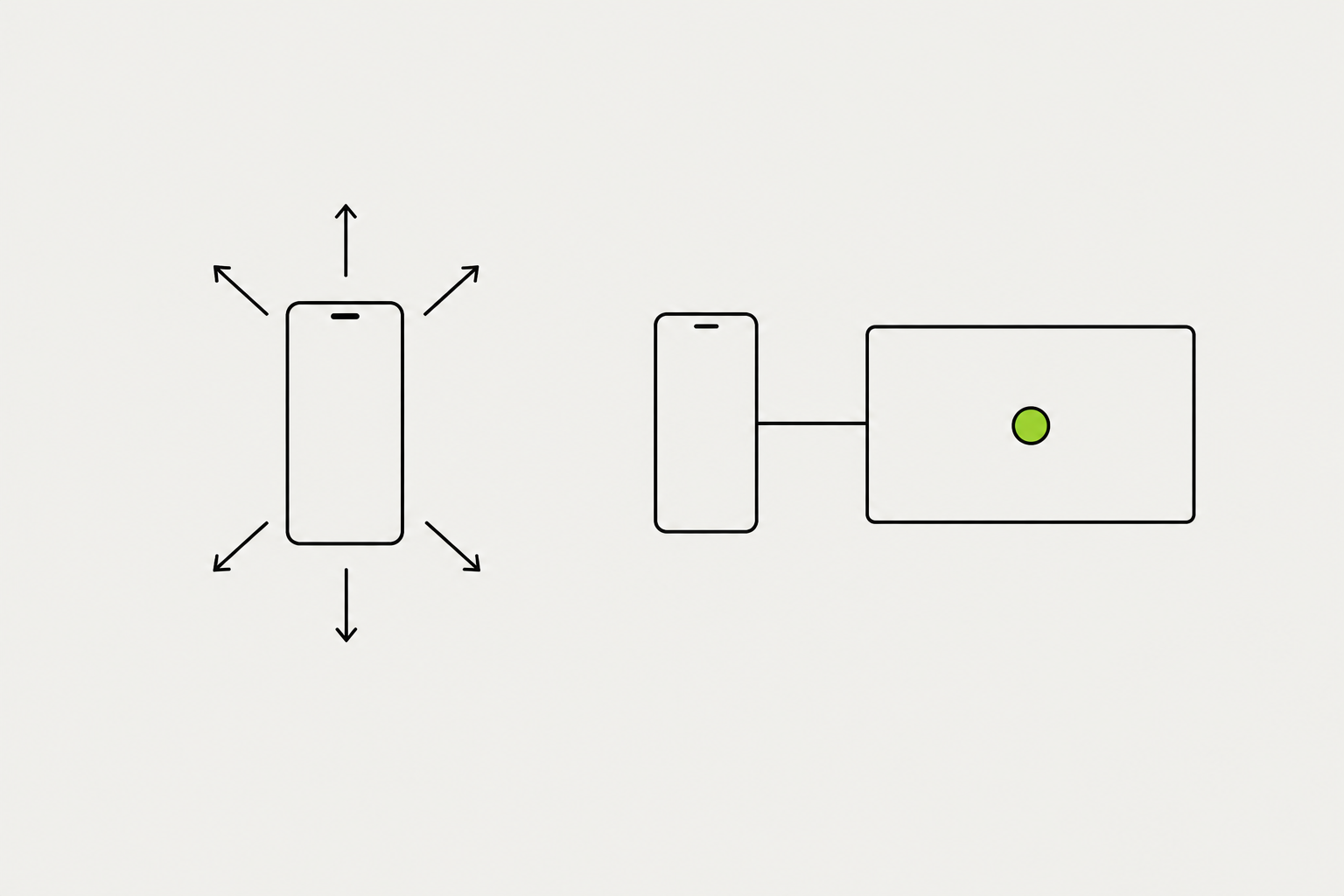
The most effective approach for most channels is a hybrid: use Shorts as a top-of-funnel discovery mechanism and long-form as the conversion layer. A Short teases an insight or story, and the description or pinned comment points to the full video. For a new channel, Shorts are the fastest way to be seen at all.
Concrete benchmark: a healthy discovery channel in 2026 will often see Shorts driving 40-70% of new-subscriber events but only 20-40% of total watch time.
- Per thousand views, long-form typically converts several times better and the subscribers it produces are the ones who show up for the next upload.
- A single 12-minute video watched at 50% delivers six minutes per view, a 30-second Short delivers half a minute.
- Shorts are cheap to make, quick to publish and give feedback in hours.
What you can try now: Video to Shorts Maker, Free Content Repurposing Planner
On YouTube, the title and thumbnail decide about 90% of whether anyone clicks.
A YouTube title and thumbnail get clicks when they make one clear promise the viewer cares about, and the video keeps it. The thumbnail grabs attention with one big idea. The title adds the detail the thumbnail can't show.
Mobile devices cut titles off at roughly 50-60 characters depending on the screen size.
- Put your primary keyword in the first half of the title.
- Before you publish, shrink your thumbnail to about 120 pixels wide (or just glance at it on your phone).
- Use YouTube Studio's built-in Test & Compare to run 2-3 thumbnail variants.
What you can try now: Free YouTube Title Length Checker, YouTube Thumbnail Previewer
The first 30 seconds should be the tightest part of the video.
Open with the strongest sentence or visual you have. Cut everything that isn't that. Long branded intro animations are one of the most reliable ways to lose people who were ready to watch.
As a rough working benchmark, holding 70% or more at 30 seconds is healthy for long-form. Below 55% and the opening is usually mismatched with the packaging.
- Tight pacing. Remove every pause and filler word in the opening.
- Visual confirmation. Show the thing from the thumbnail on screen early, so viewers know they're in the right place.
- Text on screen. Reinforce the key claim or number with on-screen text for viewers watching without sound.
What you can try now: Free AI Video Hook Generator, Video Script Template
Channels with a regular, predictable upload schedule see faster growth than channels that post erratically.
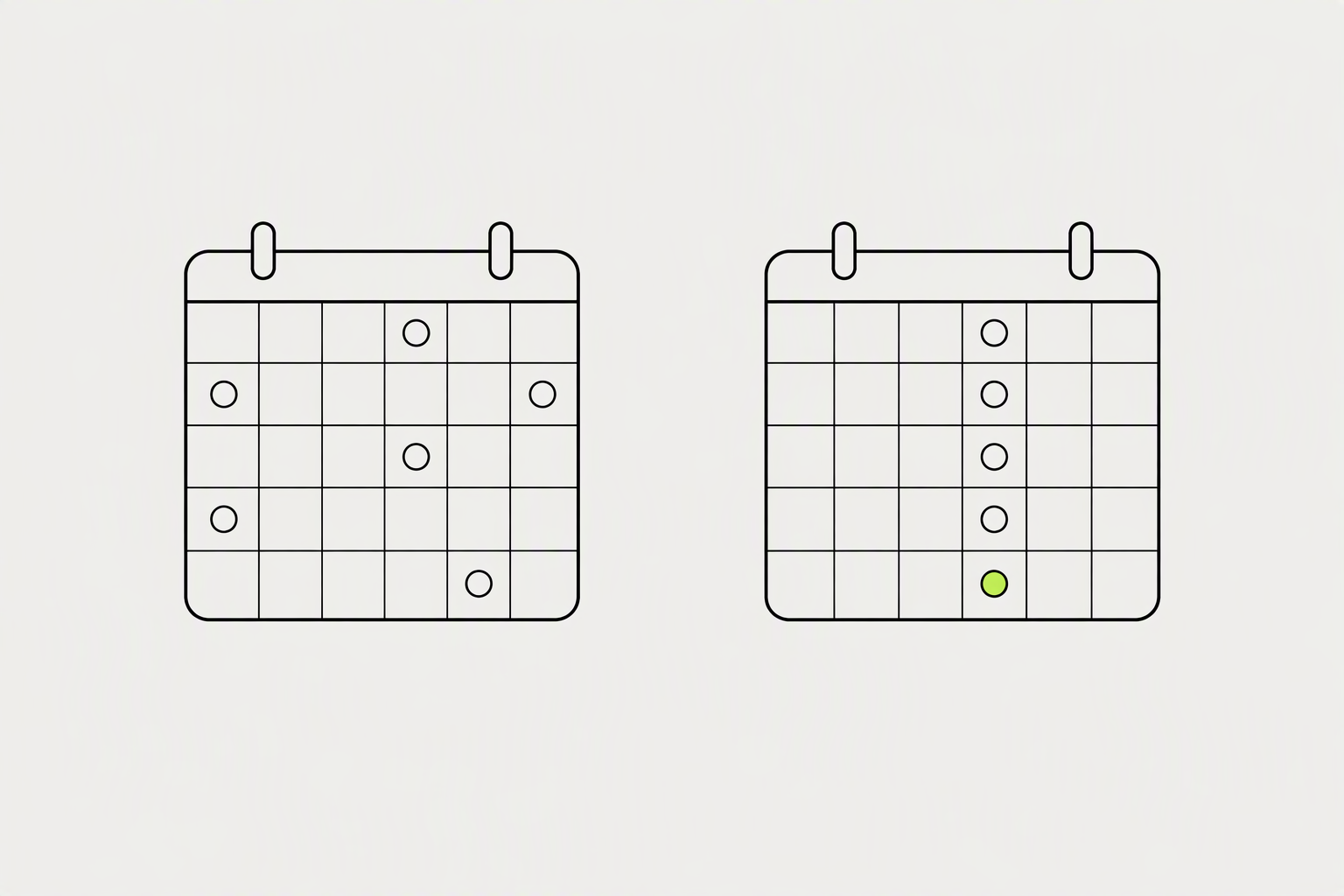
Most creators should post 1-2 long-form videos per week plus 3-5 YouTube Shorts. New channels should start with 1 video/week. The right time is roughly 1-2 hours before your own audience's peak watch window, and YouTube Studio shows you exactly when that is.
If you upload more than once per week, space videos at least 3-4 days apart to avoid competing with your own content in the algorithm.
- A channel that posts every Thursday for a year builds a habit, one that posts three times one week and none the next trains the audience not to look.
- Schedule uploads 24-48 hours in advance when possible.
- If you have no data yet, a weekday 2-4 PM or 6-9 PM US Eastern, Thursday or Friday, is a reasonable starting guess.
What you can try now: YouTube Content Calendar Template for Google Sheets, Best Time to Post on YouTube and Shorts
End screens are the primary mechanism for converting single-view visitors into multi-video sessions.
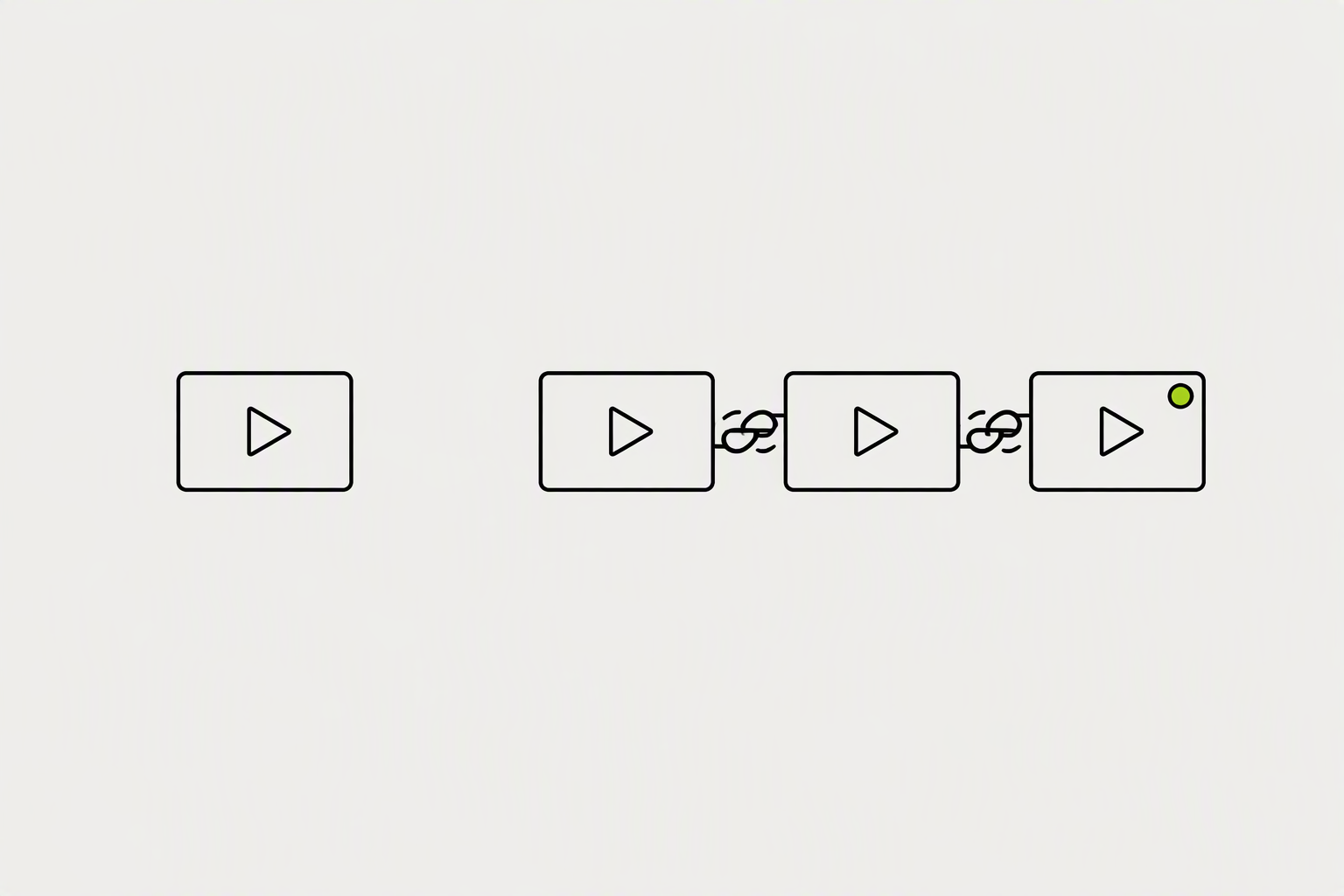
Playlists increase session length by chaining videos so viewers continue watching without searching. When a viewer watches a video within a playlist, YouTube automatically plays the next video when it ends. A viewer who watches three 12-minute videos in a playlist session earns 36 minutes for your channel from one visit.
End screens can only be added to the last 5-20 seconds of a video. Your video has to be at least 25 seconds long to have an end screen at all.
- Organize playlists by topic or skill level.
- Two elements, one next video and one playlist, outperform four almost every time because the choice is instant.
- Verbal prompts double end screen CTR - say "I have a video linked on screen about X."
What you can try now: YouTube End Screen Planner, Video Series Planner
Viewers who get a personal response from a creator come back for the next video.
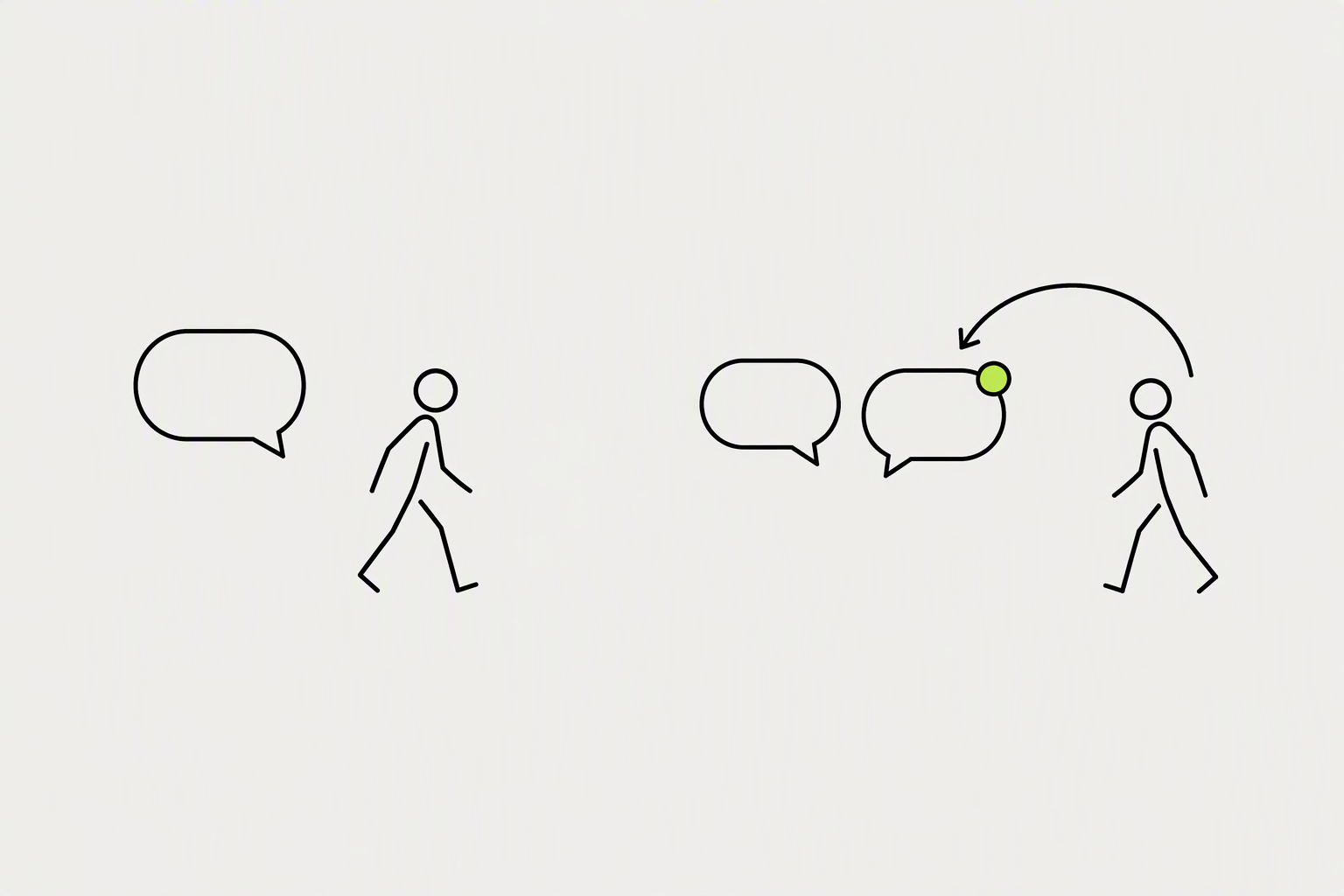
The most effective ways to build YouTube community engagement are replying to comments with follow-up questions, running poll series on your Posts tab, pinning viewer comments that spark debate, hosting live Q&As, and spotlighting subscribers weekly. The best reply keeps the conversation going. Comments are one of the signals YouTube uses to gauge whether a video is worth showing to more people.
A healthy community produces a 0.5-2% comment rate on average. Track this across your last 10 videos.
- Pin a question as the top comment on every video.
- Set a 10-minute "comment block" every day.
- Community posts three to five times per week keep your channel generating engagement signals between uploads and can increase first-day video views by 15 to 25 percent.
What you can try now: Free unanswered YouTube comments checker, Hadzy - Search YouTube Comments
The metrics that drive recommendation are click-through rate, average view duration, and session watch time.
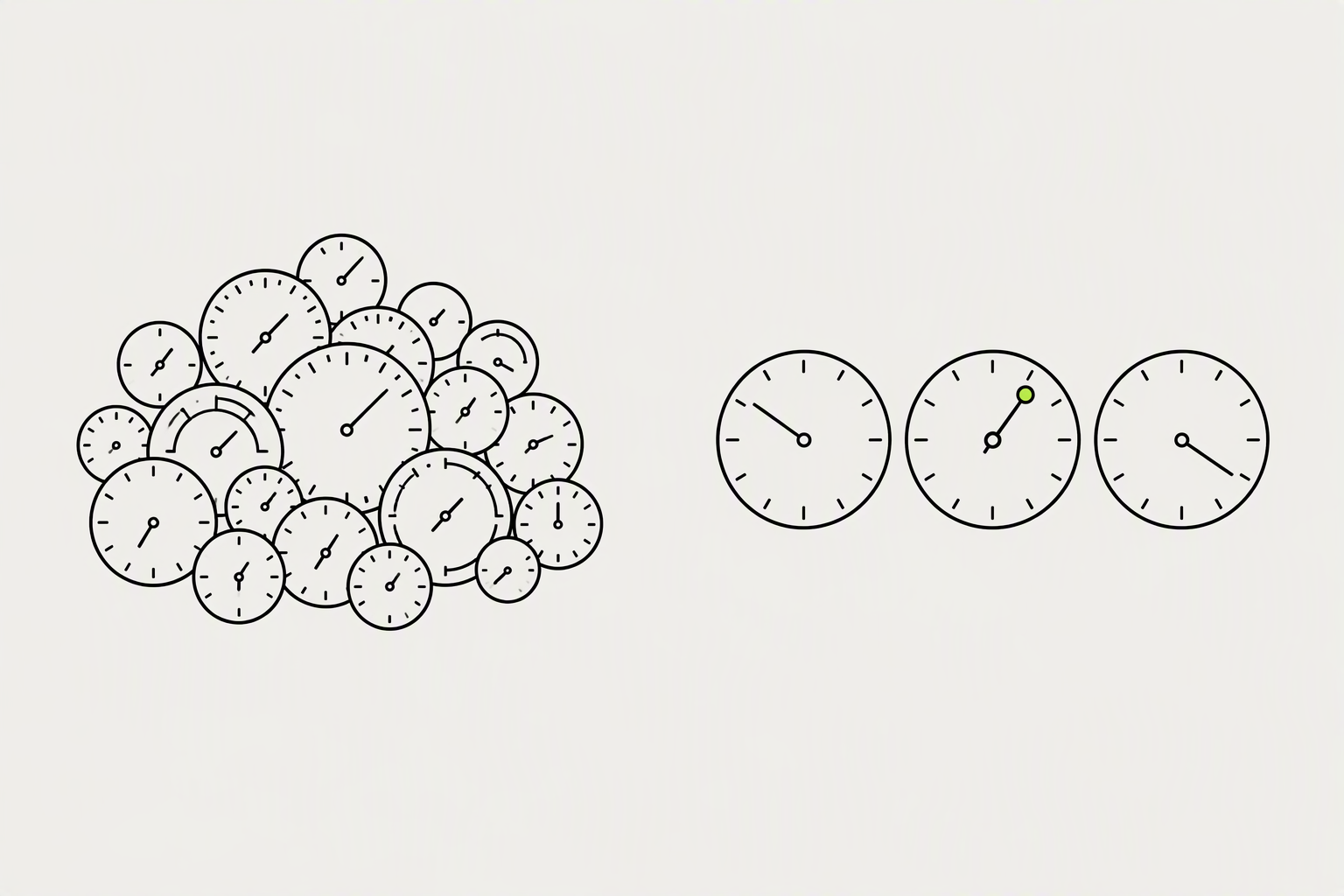
Only a handful of YouTube metrics deserve your attention: impressions and CTR (is your thumbnail+title working?), audience retention and average view duration (is the video itself working?), and returning viewers (is the audience coming back). A 4% CTR with strong retention beats an 8% CTR that collapses after the intro. Do a 30-minute analytics review once a week: fix the worst thumbnail, study your retention curve's biggest drop, and double down on your best-performing topic.
Before 1,000 subscribers, focus on three metrics: CTR (aim for 4-10%), average view duration (35-50% retention is strong for a new channel), and impressions.
- A healthy channel should see returning viewers making up 20-40% of total views.
- When impressions on new videos trend upward over 3-4 uploads, your channel is in a growth cycle.
- Below a few thousand impressions, click-through rate differences are mostly noise rather than signal.
What you can try now: YouTube Analytics Dashboard
Your first 1,000 will come disproportionately from two or three videos.
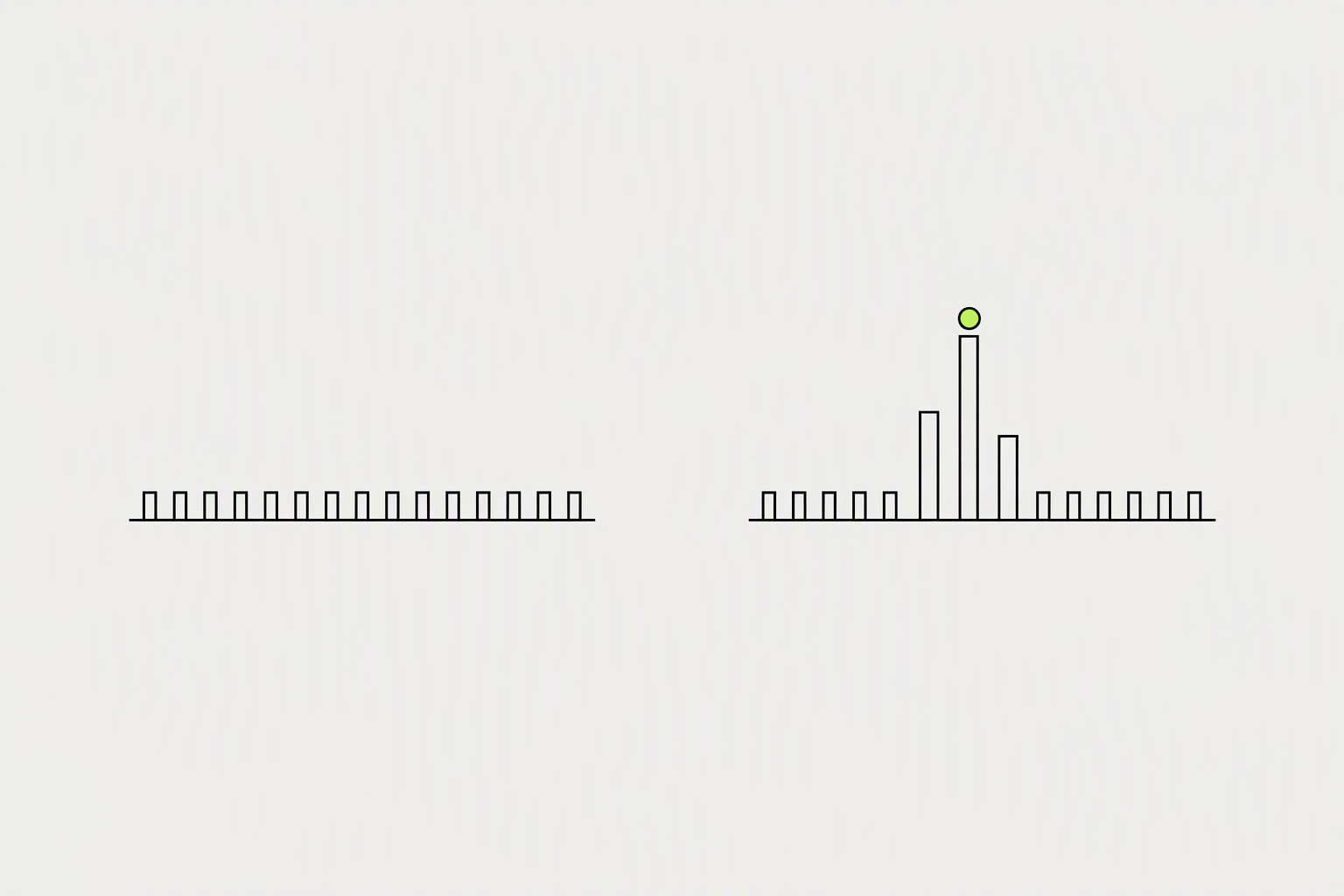
Getting your first 1,000 YouTube subscribers still requires a narrow content niche, videos optimized for search, and consistent posting. At 0 subscribers, the algorithm doesn't know who to recommend your content to. Search is your only reliable discovery channel.
A rough conversion benchmark: 0.5% to 2% of viewers subscribe on a decent long-form video, and closer to 0.1% to 0.5% on Shorts.
- Look for search queries where the top results have fewer than 50K views and the ranking channels have fewer than 100K subscribers.
- Test 3 formats over your first 10 to 15 uploads instead of 15 unrelated one-offs.
- Ask for the subscription once, mid-video, right after you have delivered something.
What you can try now: Free YouTube Keyword Tool, Free YouTube Keyword Research Tool
Most channels see meaningful growth between months 6 and 18 of consistent uploads.
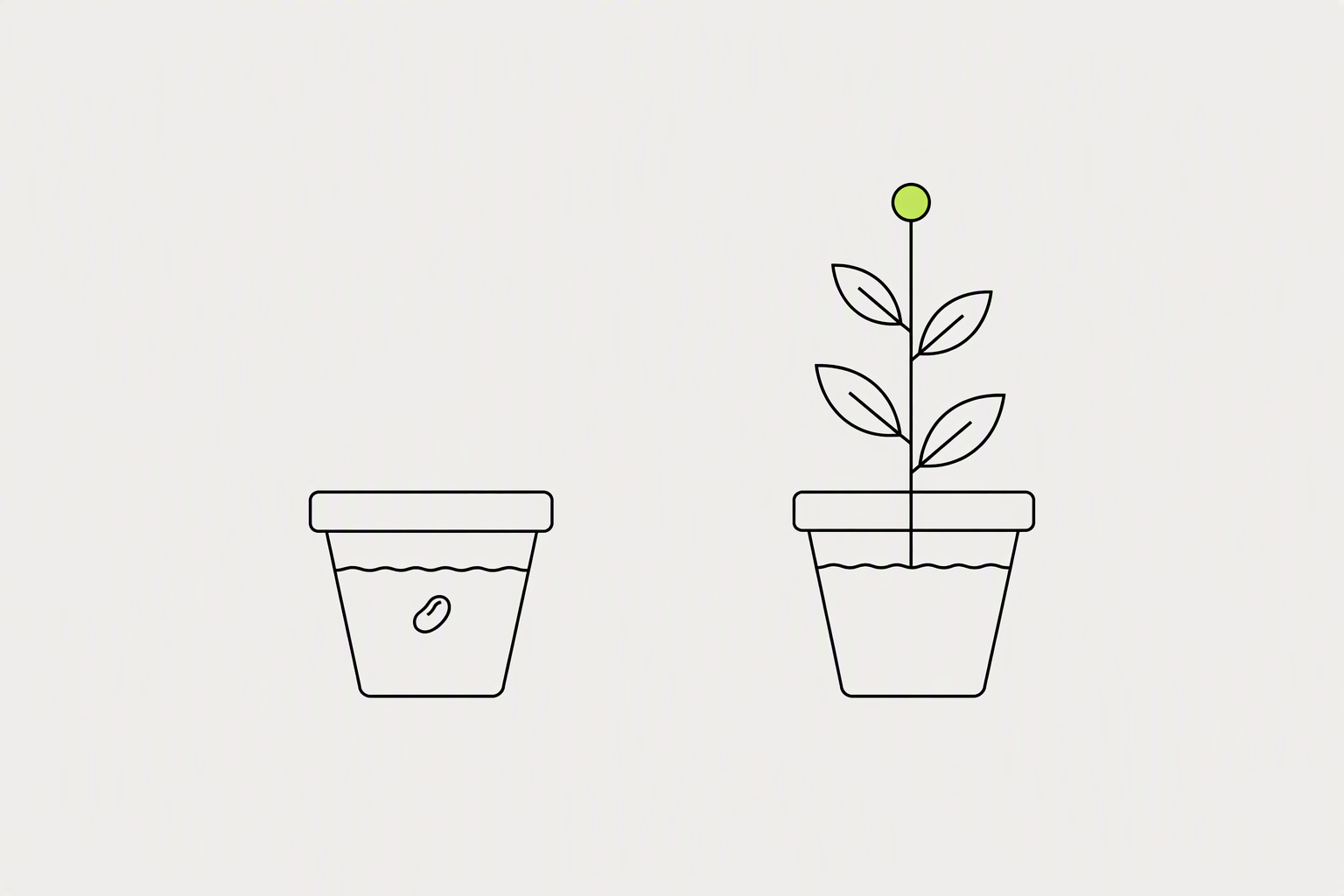
For channels uploading consistently (1-2 videos per week) with reasonable niche fit, most reach 1,000 subscribers somewhere between 4 and 12 months. Niche-focused channels with strong titles and thumbnails often do it in 3-6 months. Channels with no clear topic or inconsistent uploads frequently take two years or more - or never get there at all.
There's no fixed number, but most channels that reach 1K have published between 30 and 80 videos.
- If you've been posting consistently, you'll typically land somewhere between 100 and 500 subscribers by month six.
- Reaching 100K from 10K typically takes another 12 to 18 months of consistency.
- Quitting before 20 uploads is the most common reason channels never get there.
What you can try now: Subscriber Milestone Calculator, YouTube Monetization Progress Calculator