

Table of Contents
- The profiles that grow are the ones where every artifact tells a coherent story.
- GitHub in 2026 is the closest thing engineers have to a public resume.
- The README is your one chance to frame everything else.
- Keep it to about 150 words.
- An open-source launch is judged in the first 30 seconds on GitHub.
- Keep GIFs under 5 MB - over that and GitHub may refuse to render inline.
- A repo gaining 100 stars today ranks above one that gained 10,000 stars last year.
- GitHub does not publish its Trending algorithm. Each page renders 25 repositories ranked by recent star velocity.
- Open source contributions matter, but only when they land in repos people use.
- GitHub tracks more than just commits. Pull request reviews, issue reports, and discussions all count as contributions.
- One of the most underrated distribution channels for open source is awesome lists.
- The effort per submission is small - 15 minutes to read guidelines, 5 minutes to write the PR.
- Show HN is the single highest-leverage launch channel for open source projects.
- Show HN: you must have made it, people must be able to try it, and don't ask friends to upvote or comment.
- Regular, readable release notes build a reputation for a well-maintained project even between major versions.
- A changelog is a file which contains a curated, chronologically ordered list of notable changes for each version of a project.
- The first 100-300 stars will come from people you know.
- Share with ten developers who have the problem, fix what confuses them.
- Stars are useful as an attention signal, but they are weak as a health metric.
- Stars and forks are public and per-user, traffic is anonymized and owner-only.
- Getting to 60,000 GitHub stars took two and a half years of consistent work.
- Repositories tend to receive more stars right after their public release, after this initial period, the growth rate tends to stabilize.
The profiles that grow are the ones where every artifact tells a coherent story.

To build a standout GitHub profile, focus on four fronts: a profile README that introduces you, organized repositories with clear descriptions, projects that prove specific skills, and a readable commit history. Open source growth compounds through consistency and quality of communication far more than through any single launch. Stars compound when you cross-post to X, LinkedIn, and a personal blog.
GitHub in 2026 is the closest thing engineers have to a public resume.
- Five well-documented projects with clear READMEs are worth more than fifty abandoned repositories.
- Steady contributions over months are more impressive than occasional bursts.
- One real project you understand beats ten LLM-shaped repos every time.
What you can try now: GitHub Profile Grader
The README is your one chance to frame everything else.

Create a repository with the same name as your GitHub username, add a README.md, and GitHub renders it at the top of your profile page. Keep the top 10 lines for the important stuff. On a laptop screen, that's roughly what people see before scrolling.
Keep it to about 150 words.
- Pick three or four projects and write one line each explaining what the thing does and why it exists.
- Two short paragraphs and a few links beat badge walls and animated banners.
- Single CTA: One action you want the reader to take.
What you can try now: Free GitHub Profile Generator & README Builder, GitHub Profile Stats
An open-source launch is judged in the first 30 seconds on GitHub.

Before you promote anywhere, make sure the README does four things: states what the project does in a single sentence above the fold, shows the project in action with a demo video or GIF, gives a copy-paste quick start that works on the first try, and displays the badges developers scan for (build status, version, license, downloads). A wall of text with no visual loses most visitors instantly.
Keep GIFs under 5 MB - over that and GitHub may refuse to render inline.
- Include technology names in your repo descriptions and README headers.
- Repository topics. Add relevant topics (the tags under the repo title).
- A social preview is the og:image GitHub serves to X, LinkedIn, Slack, Discord, and every other link-unfurl.
What you can try now: readme.so, GitHub Socialify
A repo gaining 100 stars today ranks above one that gained 10,000 stars last year.
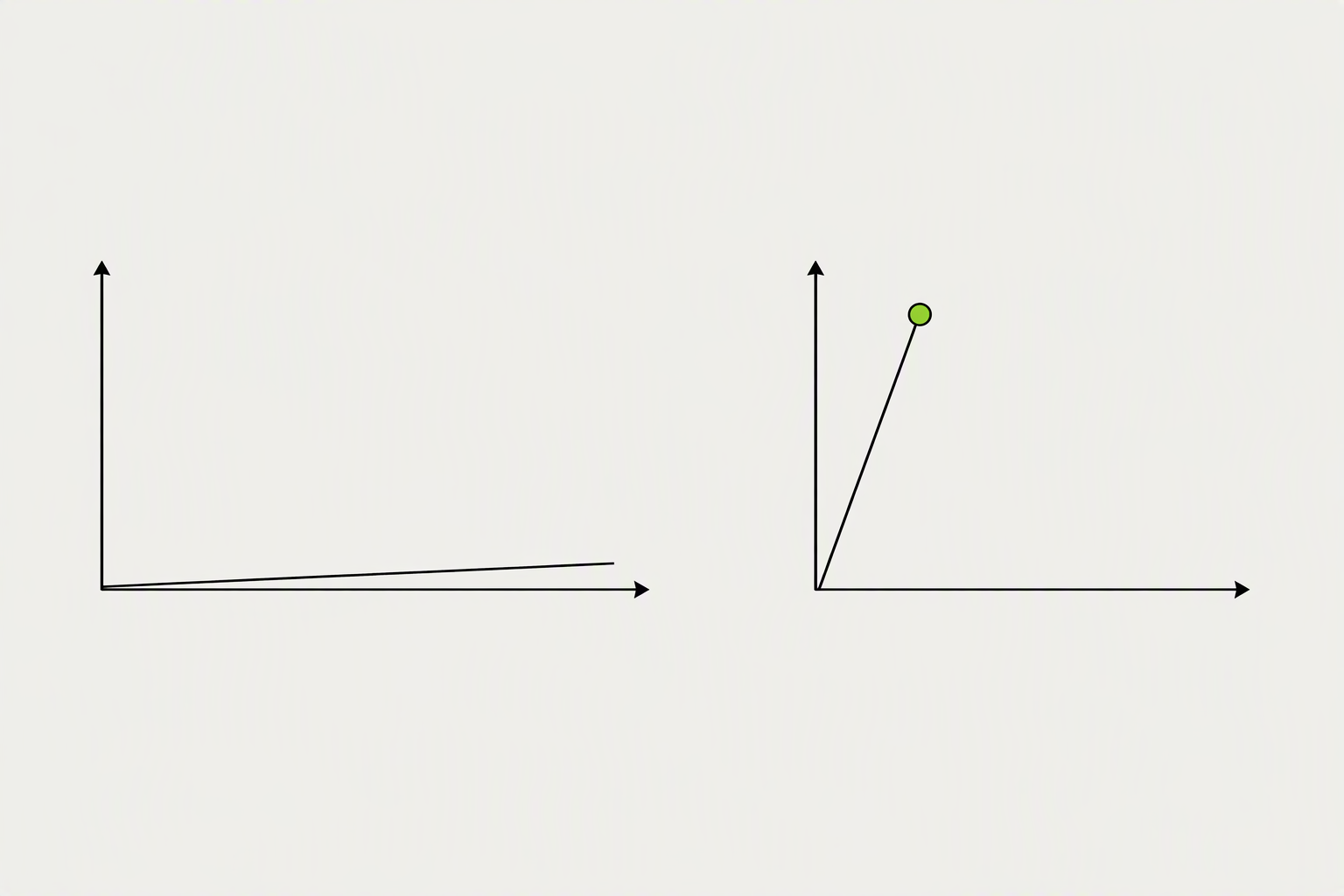
GitHub Trending is a discovery feature on GitHub that tracks and displays repositories experiencing rapid growth in stars - what we call "star velocity." A burst concentrated into a few hours moves the ranking far more than the same number of stars spread thinly over a week. GitHub's code and repository search indexes your README text, and well-chosen topics tags surface you on topic pages that developers actively browse.
GitHub does not publish its Trending algorithm. Each page renders 25 repositories ranked by recent star velocity.
- The page updates several times per day on GitHub's own schedule.
- A repository that appears in all three views at once is showing both a spike and staying power.
- Language-specific Trending (TypeScript, Python): easier - 30-50 stars/day is often sufficient.
What you can try now: Trending repositories on GitHub today, Open Source, AI & Coding Topics on GitHub
Open source contributions matter, but only when they land in repos people use.
Every merged PR associates your name with established projects. The repos that pay off are mid-sized - a few hundred to a few thousand stars, an active maintainer, and "good first issue" labels that have not been claimed. At that scale, a thoughtful PR gets reviewed within days, the maintainer remembers your name, and you build real credibility.
GitHub tracks more than just commits. Pull request reviews, issue reports, and discussions all count as contributions.
- Find three repos you actually use - libraries you have installed, tools you run weekly.
- Read the CONTRIBUTING.md and three recent PRs before opening anything.
- Start small: documentation fixes, reproducible bug reports, a failing test for a known issue.
What you can try now: Good First Issue, Up For Grabs
One of the most underrated distribution channels for open source is awesome lists.
Each awesome list that merges your PR gives you a dofollow backlink from a page with high domain authority. Someone browsing awesome-rust (40k+ stars) looking for developer tools might discover your project.
The effort per submission is small - 15 minutes to read guidelines, 5 minutes to write the PR.
- Read the contribution guidelines religiously. Every awesome-list has different formatting requirements.
- If you flood a single list with submissions, maintainers get suspicious.
- If your PR sits for more than a week without review, leave a polite comment.
What you can try now: Awesomelist, GotoNotes
Show HN is the single highest-leverage launch channel for open source projects.
Post Show HN with a plain title and a first comment explaining why you built it. Stay in the thread for hours, answer critiques with specifics. The post format that works: explain the problem you solved, show a screenshot or GIF, link the repo, and ask for feedback.
Show HN: you must have made it, people must be able to try it, and don't ask friends to upvote or comment.
- Post Tuesday through Thursday, US morning time.
- The real traction comes from the specific communities where people look for tools like yours.
- Blog Syndication: Republish content on platforms like Dev.to to expand reach.
What you can try now: Free Subreddit Finder, repo-promotion-guide
Regular, readable release notes build a reputation for a well-maintained project even between major versions.
There is an acceleration in the number of stars gained after releases. Silent repositories, even good ones, read as abandoned to a first-time visitor scanning recent activity. Respond to every issue within 24 hours, even if it's just "thanks, looking into this."
A changelog is a file which contains a curated, chronologically ordered list of notable changes for each version of a project.
- A release is just a tagged, named, downloadable snapshot of your project plus notes that tell people what changed.
- Breaking changes should appear in three places: the changelog, the upgrade guide, and the announcement channel.
- Say thank you publicly - a mention in release notes or a contributors section costs nothing and matters to people.
What you can try now: Keep a Changelog, Generate Changelog Online Free
The first 100-300 stars will come from people you know.
First, get stars and feedback from people who already know you. Then make the repo look active with real contributor-friendly issues. Then do a little bit of targeted promotion where the audience actually matches the product.
Share with ten developers who have the problem, fix what confuses them.
- Message developers you know directly.
- A new contributor should be able to read the issue, find the relevant files, and make progress without reverse engineering the whole app.
- A small group of people who actually care about your problem is far more valuable than a huge crowd that barely does.
What you can try now: GitHub Repo Doctor
Stars are useful as an attention signal, but they are weak as a health metric.
If your project is hosted on GitHub, you can view how many people land on your project and where they come from. From your project's page, click "Insights", then "Traffic". Every panel covers the trailing 14 days and not a day more.
Stars and forks are public and per-user, traffic is anonymized and owner-only.
- Referring sites: Tells you where visitors came from.
- You can use the clone graph to see how many times your project has been cloned on a given day, broken down by total clones and unique cloners.
- High fork ratio - a project people build on or contribute to, common for frameworks, templates and libraries.
What you can try now: GitHub Star History, GitHub Daily Stars Explorer
Getting to 60,000 GitHub stars took two and a half years of consistent work.

In 2024, a new open-source repository typically took around 800 days to grow from 100 to 1,000 GitHub stars. By Q1 2026, the median time has dropped to 92 days, with a quarter of projects reaching that milestone in under two weeks.
Repositories tend to receive more stars right after their public release, after this initial period, the growth rate tends to stabilize.
- For most developers contributing seriously, the first 100 followers take three to six months.
- The next milestone - around 500 followers - typically takes a year of consistent open source work and one or two projects that gained real traction.
- Reaching 1,000+ followers usually requires a hit project, regular technical writing, or maintainership of a popular library.
What you can try now: RepoStars